





















Spain and Italy at 514M and 477M Nights: Demand Keeps Growing
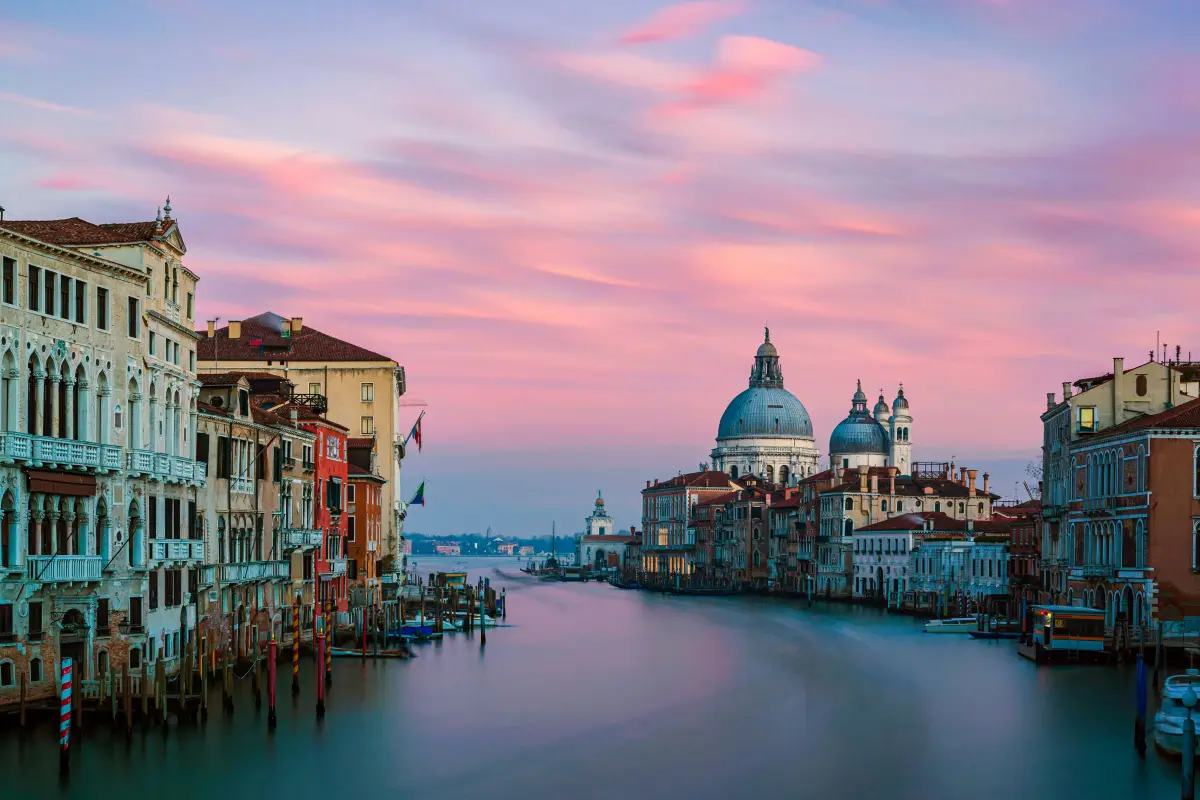
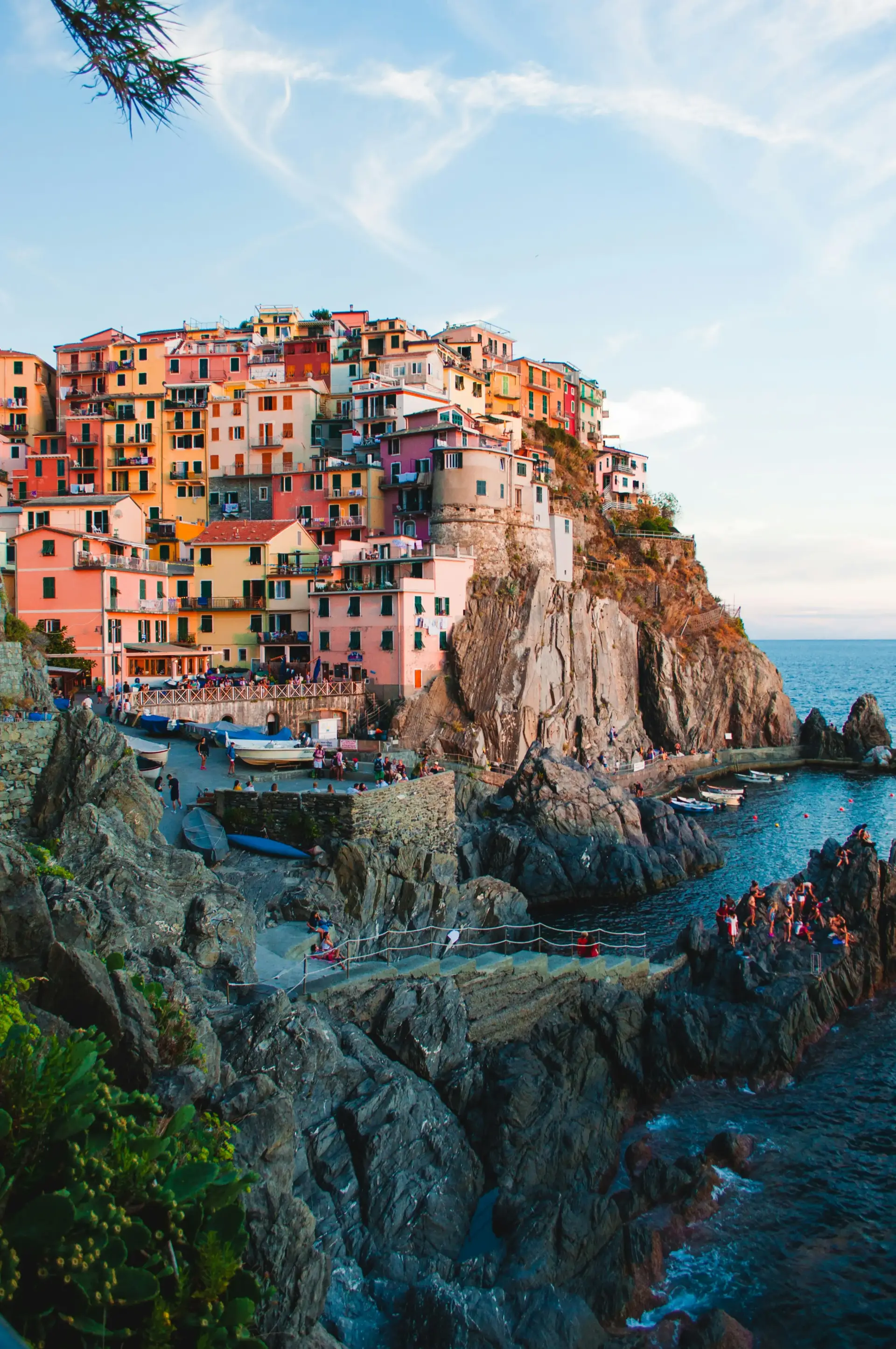
Eurostat's 2025 headline figures, published in March 2026, show the trend continuing in Europe's two largest Mediterranean markets. Spain recorded 513.6 million nights spent in tourist accommodation in 2025 and Italy 476.9 million, the two highest totals in the EU, ahead of France and Germany (Eurostat, 2025). Across the EU, nights spent rose by 2.2% to nearly 3.1 billion. Eurostat has said that detailed 2025 annual data by country will follow in October 2026. This sustained growth, particularly in already popular regions, translates into operational pressure for tour operators building 2027 programmes.
The headline operational read for partners is that 4-star central hotel allocations and, depending on the destination, coaches during the peak May to September period deserve early attention. In the Spanish and Italian mainland the coach fleet is generally broad, so the pressure is more likely to show up in hotels, in popular cities and around events, and in islands, where fewer companies operate. Contracting early helps secure preferred suppliers, although it does not remove the risk of a supplier subcontracting a service.
Furthermore, in high-demand cities such as Rome, Florence, Barcelona, and Seville, hotel deposit terms tend to be firm, and many hotels now ask for a non-refundable deposit; the terms are agreed hotel by hotel and contract by contract. Understanding the difference between an ideal itinerary and what is operationally viable becomes paramount. In these competitive markets, contracting experience pays off in knowing which suppliers to approach first.
France Returns to Growth at 472M Nights
France registered 471.7 million nights spent in 2025 (Eurostat, 2025), the third-highest total in the EU. Eurostat's first estimates for 2024 had shown France slightly down on 2023, so the 2025 total marks a return to growth.
Paris and the Riviera behave differently from the rest of the country: Paris has structural, year-round demand, and the pressure there depends on the district and on events more than on the calendar alone. Partners planning Paris for 2027 should check availability and terms at the contracting stage rather than assume that shoulder periods will be easier.
Beyond the capital, regions like Bordeaux and the Loire Valley offer compelling options. For those considering wine region group itineraries, particularly during the harvest window, the most sought-after estates need more notice than most. Operational constants, such as coach driver-hour rules and cross-border permitting, remain unchanged. When planning Paris-to-region transfers, it is still essential to factor in the driving-time limits that apply to coach drivers: under Regulation (EC) No 561/2006, daily driving is limited to 9 hours, which can be extended to 10 hours twice a week.
Greece and Portugal: Islands, Cellars and Early Planning
Eurostat's detailed 2025 country-level figures for Greece and Portugal are not yet available, so this article does not quote numbers for them. What can be said without them is operational: both markets combine strong demand with limited supply in specific components, and lead-time tightening there tends to show up early.
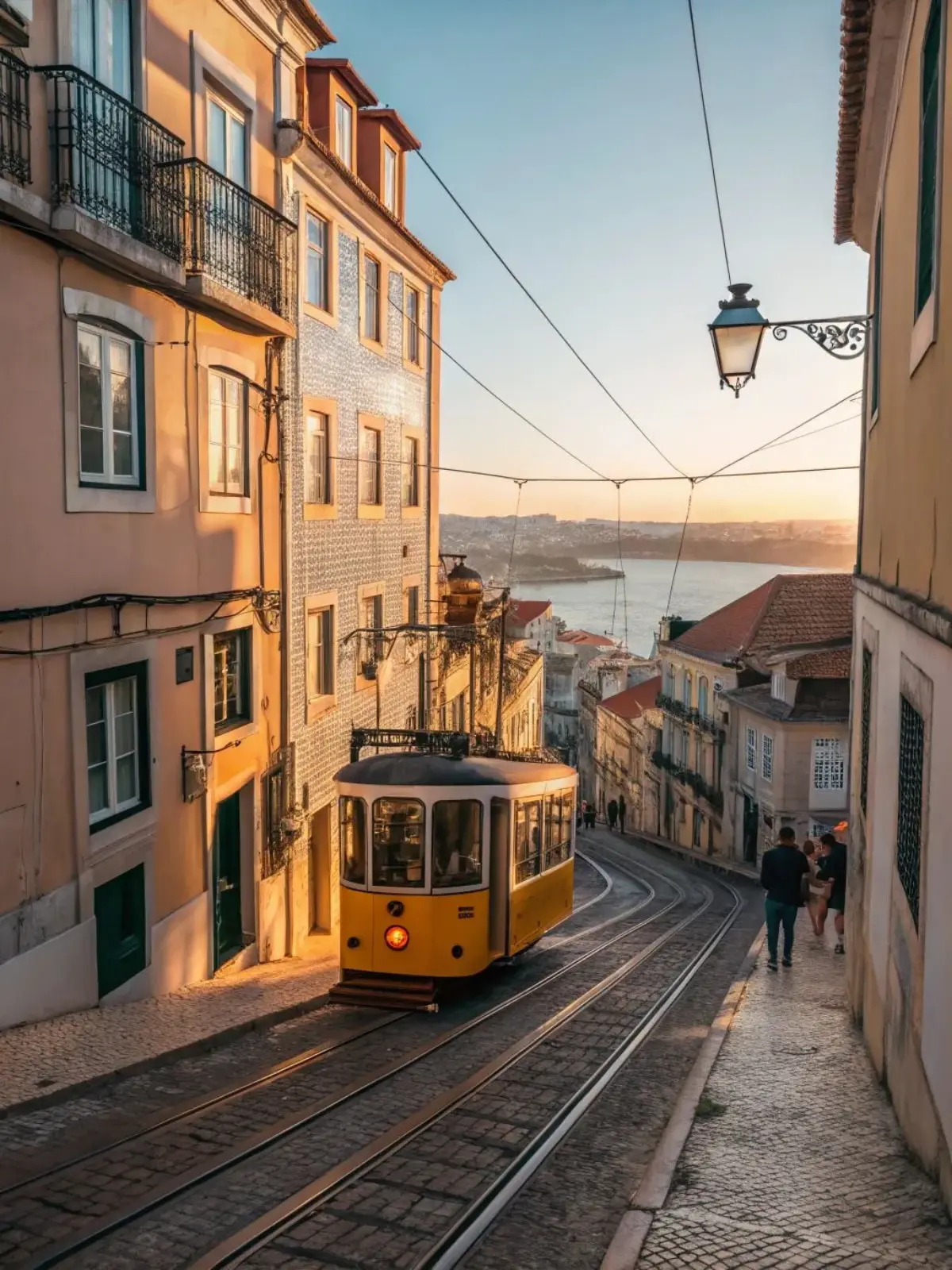
For group blocks involving ferry capacity from Piraeus to the Cyclades or from Athens to Crete in July–August 2027, early planning is advisable, since demand can outstrip supply well in advance and the islands are served by relatively few operators. Similarly, in popular urban centres such as Lisbon and Porto, 4-star central hotel allocations for larger groups in spring tend to fill early. For designing Lisbon group itineraries, understanding these constraints early is key to securing suitable accommodation.
In the Douro Valley, cellar and quinta visits have limited capacity per slot. Operators planning larger groups will need to either split their groups or contract visits at two separate estates to accommodate everyone. These specific operational details underscore the need for early planning and local expertise to navigate these increasingly popular destinations effectively.
Germany, Netherlands, Austria: The Stable Spine of Multi-Country Programmes
In contrast to the rapid shifts in Southern Europe, Germany, the Netherlands, and Austria tend to offer a more predictable operational environment. Germany's 2025 nights-spent figure came in at 442.1 million (Eurostat, 2025), essentially in line with the previous year and consistent with the stability this market is known for. This article does not quote 2025 figures for the Netherlands or Austria, because Eurostat's country-level release is still pending; their historical pattern points to steady, moderate growth, which positions all three as dependable components for multi-country itineraries.
For tour operators, this stability tends to translate into more consistent supplier availability, although coach compliance should still be checked with each operator: ask how they apply the driving-time and rest rules of Regulation (EC) No 561/2006. This makes these markets natural anchors for multi-country routings.
Cities such as Munich, Amsterdam, and Vienna can serve as strong starting or connecting points, allowing for smoother logistics when extending itineraries into the more stretched Southern European markets. When planning multi-country coach routes, the operational reality of coach availability and driver hours often makes these central European hubs a pragmatic choice for ensuring programme continuity and quality.
What This Means for Your 2027 Contracting Calendar
Eurostat's 2025 figures — showing continued growth in Spain and Italy, a return to growth in France, and a stable Germany — point to a clear priority for tour operators planning 2027 group programmes: decide what to secure first. To navigate the current market dynamics effectively, we suggest the following:
- Spain and Italy: Contract May–September hotel and coach needs early, with islands and event dates as the first checks. Expect firm deposit terms and plan accordingly.
- France: Paris has year-round structural demand, so prioritise early contracting over waiting for lower rates, and check availability by district and date.
- Greece and Portugal: Secure Greek island ferries and popular Portuguese cellar visit blocks early, especially for peak season travel; lead times vary by supplier.
- Germany, Netherlands, Austria: Use these markets as anchors for multi-country itineraries, where supply tends to be more consistent.
BRACAP has contracted ground product across Europe since 2007.
If you are planning 2027 group programmes, send us your dates and destinations through our contact page and we can review which components to secure first.