





















Why 'Underrated' Means Something Different to a Tour Operator
Consumer travel media celebrates underrated cities by counting tourists. A tour operator counts something else: bed availability, licensed guides, coach access, and supplier redundancy. A destination that looks quiet on Instagram but has few hotels able to take a group, a thin pool of guides in the languages you need, or a historic centre closed to coaches by traffic-restricted zones (ZTL) — Lecce and Matera are instructive examples — poses operational risk that no margin can absorb.
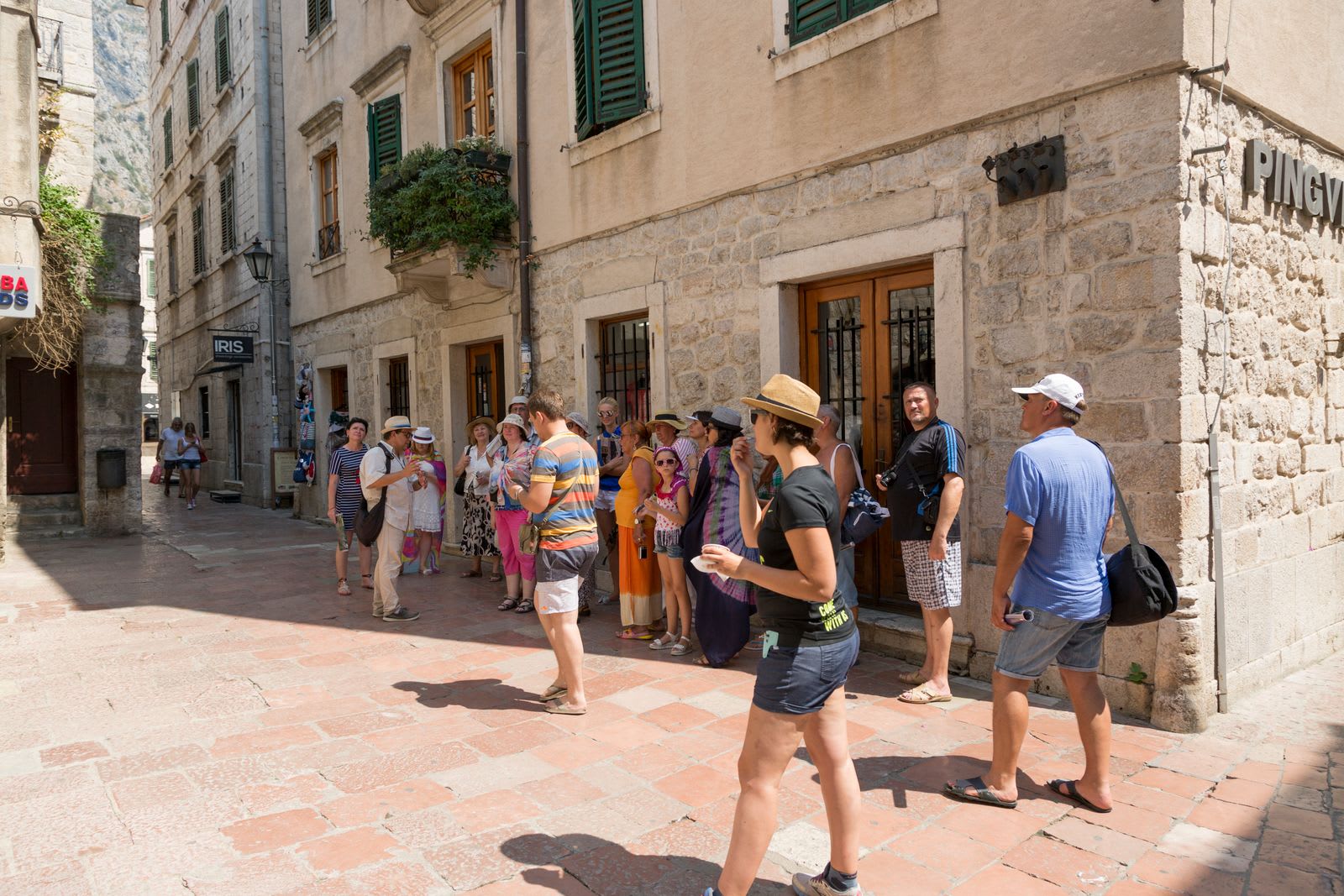
The cost of misjudging a city compounds fast. A group of 45 arriving in a medieval centre with no coach drop-off, split across four undersized hotels, waiting for a guide who cancels last-minute: that's not a charming surprise. That's margin erased, client complaints, and damage to repeat bookings. A useful way to evaluate an emerging destination is to stress-test it against a mid-sized group, the point where a city's infrastructure either holds or fractures. The difference between custom travel and operationally viable travel hinges on this distinction.
True underrated cities are those with the supplier depth, transport reliability, and bed inventory to absorb a mid-sized group without constant improvisation. That's the lens this article applies.
Six Operational Filters for Evaluating a City
Before putting a city in front of a group, a DMC or operator can look at six operational filters:
- Bed inventory: Several hotels in the same category able to take a group, not just one. Dependence on a single property creates cancellation risk when a hotel blocks rooms for an event or closes for refurbishment.
- Licensed guide availability: A working pool of professional guides in the required languages and specialisations. A city with one English-speaking guide is a fragile base for a group.
- Coach access and parking: Drop-off and staging reasonably close to the main attractions. Remote coach parks breed lost time, frustrated drivers, and abandoned itineraries.
- Transport hub connectivity: A direct rail or airport connection to a major European hub. The longer the transfer, the less usable time in the destination and the higher the transfer cost.
- DMO responsiveness and permitting: How quickly the destination handles group visit permits, site access requests, and any ZTL or pedestrian-zone clearances. A silent destination management office signals institutional friction.
- Supplier redundancy: More than one viable coach operator, more than one food-tour supplier, more than one accommodation tier. When supplier A cancels, supplier B must exist and be contractable at short notice.
A city that fails several of these filters carries an operational burden that rarely justifies the programme. How many gaps are acceptable depends on group size, season and the services involved.
Four Cities Worth Evaluating Against These Filters
Four destinations illustrate what underrated can mean in practice. Hotel counts, rates and seasonal availability change, so check current figures with suppliers before committing.
Porto, Portugal. A broad hotel base, including options on the periphery that suit coaches, and a mature network of English-speaking guides. Portugal's festival season shapes when demand tightens, and shoulder months tend to be easier on rates than the July–August peak. The rail connection to Lisbon, about three hours, makes multi-city itineraries workable.
Ghent, Belgium. Often programmed less than neighbouring Bruges despite comparable canal scenery and generally simpler coach logistics. A compact centre, hotels within reach of it and a solid guide pool make it a candidate for mid-sized groups. As with any Belgian city, check staging near the main sites such as Sint-Baafskathedraal with the local operator.
Bologna, Italy. A rail hub, roughly 40 minutes from Florence by high-speed train, with strong food-tour and cooking-class suppliers. When a group's plans move away from busier cities such as Venice, Bologna's mid-range hotel inventory and established food ecosystem are worth costing. Spring tends to be calmer on price than the summer months.
Valencia, Spain. A large hotel stock, compliant coach access to the City of Arts and Sciences, and English-speaking guides available at regional rates. Shoulder months tend to be better value than summer, and the size of the city means a mid-sized group can often stay together rather than split across properties.
Where Underrated Becomes Unworkable
Being transparent about limits matters as much as naming opportunities. Some destinations look attractive for groups on paper and are hard to operate:
Small Adriatic and Aegean islands often advertise group potential but have few licensed coach operators and limited ability to contract tours a season ahead. In peak season, capacity concentrates in a single supplier; groups face repeated negotiation and route changes mid-trip.
The Albanian Riviera comes under capacity pressure in summer: compliant coaches and licensed guides are in demand well ahead of the season. Off-season repositioning is possible, but margins thin, and it is better not to subcontract into a supplier you have not assessed.
The Faroe Islands and remote Norwegian fjords appear operationally viable until you try to contract ferry slots. Lead times stretch, cancellation terms may favour the operator rather than the group, and a larger group often cannot move as a single unit, so splits become likely.
Destinations with single-supplier risk — one hotel cluster, one coach operator, one guide — are worth avoiding. When that supplier cancels, the group dissolves.
These realities separate commercial underrated destinations from Instagram underrated ones. Understanding the operational reality behind coach logistics is essential before committing a group to a marginal city.
What Operating Since 2007 Adds to Destination Selection
BRACAP has operated and contracted ground product across Europe since 2007. Experience of that kind adds several things retail planners rarely have access to:
Direct relationships with regional suppliers. Working directly with coach operators gives earlier visibility into fleet capacity, seasonal constraints, and driver licensing changes than public pricing does.
Supplier assessment. Hotels and guides are worth reviewing on facilities, client feedback and operational compliance before they are used for groups. That kind of vetting is what separates genuine exclusive experiences from retail booking risk.
Attention to infrastructure changes. ZTL expansion, ferry route cuts, and rail station upgrades change what is workable in a city. Local partners are often the first to flag regulatory tightening.
Early contact in emerging cities. Talking to regional hotel groups early helps when inventory is still open, before rate cards harden and availability fragments. Cities entering a boom cycle tighten quickly.
Lead time discipline. Emerging destinations tend to need more advance work than established ones to line up coach, guide, and hotel availability, and booking within the same season can mean limited availability and higher rates. Timelines and conditions are agreed per programme and per supplier.
How to Bring an Underrated City to BRACAP for Costing
If your operation has identified a destination you want to test, it helps to share the following:
- Group size (headcount or range)
- Proposed dates (month and, if possible, week)
- Pax profile: school group, senior travellers, incentive, or mixed
- Budget range per person, if you have one
- Any language requirements for guides
Send it through our contact page with the destination and dates in the subject line, and we will review the feasibility with you before anything goes into a brochure.
For examples of cities we work with, see our destinations page.
Next Steps: Testing an Underrated Destination
The real test of an underrated city is not its quietness. It's whether its hotels, guides, coaches and access can absorb your group without constant improvisation or hidden costs. Operating in Europe since 2007 gives us a basis for looking at that question with you before you commit margins.
Browse our destinations page for the cities we work with, then send us your dates and group size and we will review them together. A specific date window makes the review more useful than a general enquiry.