











A major event is the booking trigger, not the whole trip
Glasgow hosted the Commonwealth Games between 23 July and 2 August 2026. For a group built around a fixed-date event like that, the hardest part of the sale has often been done: the dates are fixed and the client has a reason to travel that doesn't need justifying. What happens on either side of those dates is where an operator either leaves value on the table or builds a materially better programme without adding to acquisition cost. With the Games over, the question carries over to the next event-led booking, and to a broader one: how far into Scotland can a group trip realistically stretch from a Glasgow base? Extension days are one of the most natural additions to a group operator's calendar because the client is already committed — the only question is what's genuinely reachable without putting the main event days at risk.
What's genuinely in reach from Glasgow
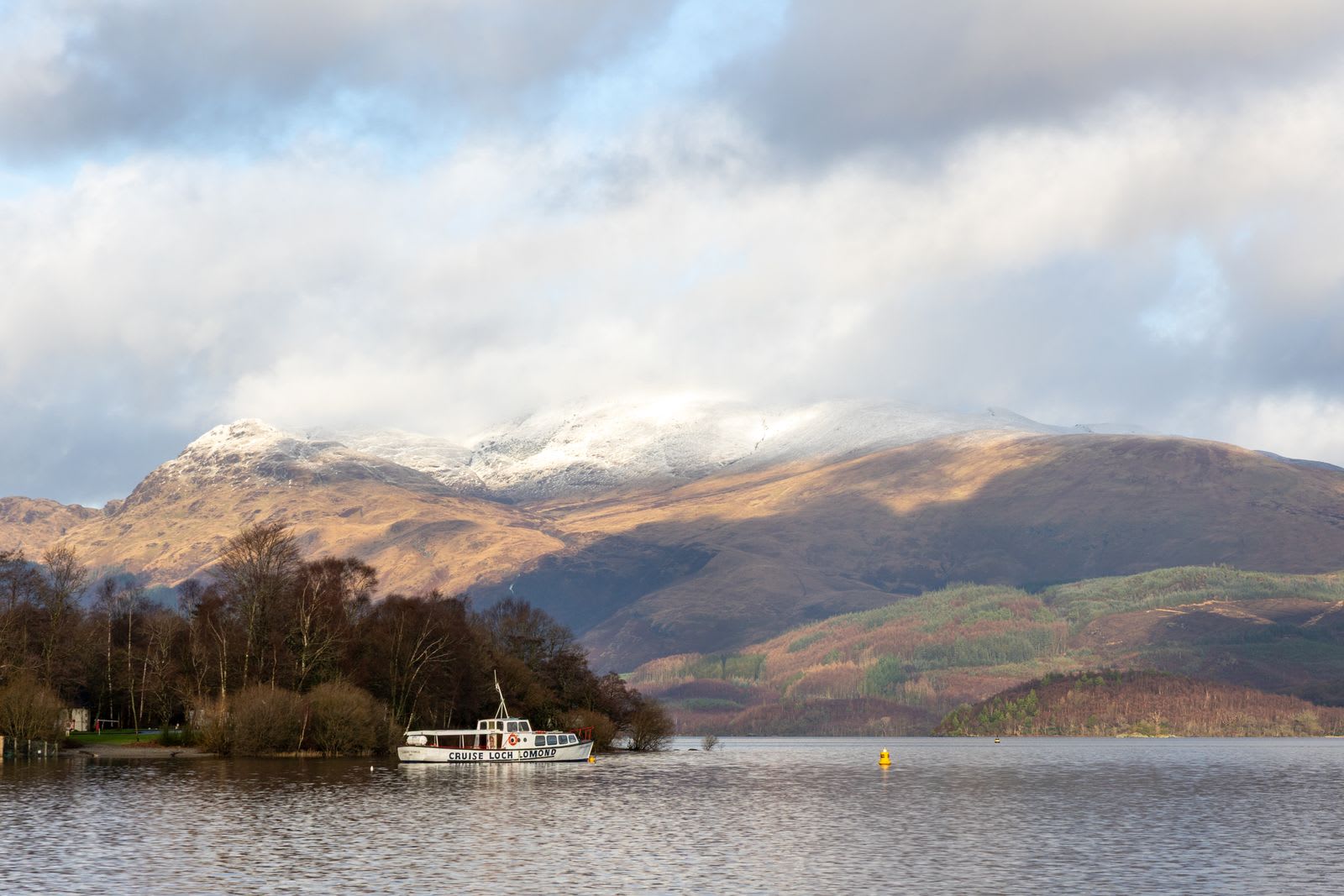
Two extensions sit close enough to Glasgow to add without eating into a group's rest days. Edinburgh is a realistic day trip: the quickest direct trains between Glasgow Queen Street and Edinburgh Waverley were timetabled at around 42 minutes in a 2019 Scottish Government FOI response, which also showed that only a minority of services met that time, so a typical journey is longer. Services run frequently across the day — frequent enough that a group doesn't need to build the day around a single fixed departure. Loch Lomond is the other realistic add-on: Balloch, on the loch's southern shore, is a short drive from Glasgow city centre, which makes it viable as a half-day addition rather than a trip that consumes an entire rest day.
Both of these share the same property that makes them worth proposing: they don't require restructuring the group's accommodation base in Glasgow. A day trip to Edinburgh or a half-day at Loch Lomond can be built around a single Glasgow hotel stay, which keeps the logistics of the core programme untouched.
The Highlands are a different category. They are rarely a day trip from Glasgow: reaching them properly usually means a night or more away, a different accommodation base and driving hours that need checking before the day is quoted. Treat a Highlands extension as a block of its own, designed on its own terms, not as a longer version of a day trip.
Where operators get this wrong: bolting extensions onto event days
The mistake isn't proposing an extension — it's scheduling it inside the event window instead of around it. A group already navigating the overlapping session schedule of a venue such as the Scottish Event Campus, or transferring between venues across a corridor, doesn't have spare capacity mid-week for a full-day Edinburgh excursion. The extension belongs either before the group's first event session or after its last one, as a distinct block with its own schedule — not interleaved with event days where transfer windows are already tight. Any operator building an itinerary around a fixed-date event should treat "event days" and "extension days" as two separate scheduling problems, planned against different constraints, rather than one continuous itinerary where the extension has to work around whatever time the event leaves over. The same logic holds without an event: a Glasgow-based trip works best when the base stays put and each extension is its own block.
Extension days are often the easier days to price and run
There's a commercial reason to build these in deliberately, not just an experiential one. An event day carries costs an operator has little control over — ticketing, venue-adjacent transport, accommodation priced against major-event demand. An extension day to Edinburgh or Loch Lomond usually has fewer of those moving parts: it can be built from standard day-tour product, priced and operated much as it would be for any group travelling to Scotland outside a major event. For an operator, that tends to make the extension block the part of the programme that is easier to price and manage — provided the ground operator already has working day-tour product into Edinburgh and Loch Lomond, rather than needing to build one-off transport and guiding from scratch for a single group.
Matching the extension to the group, not just the itinerary
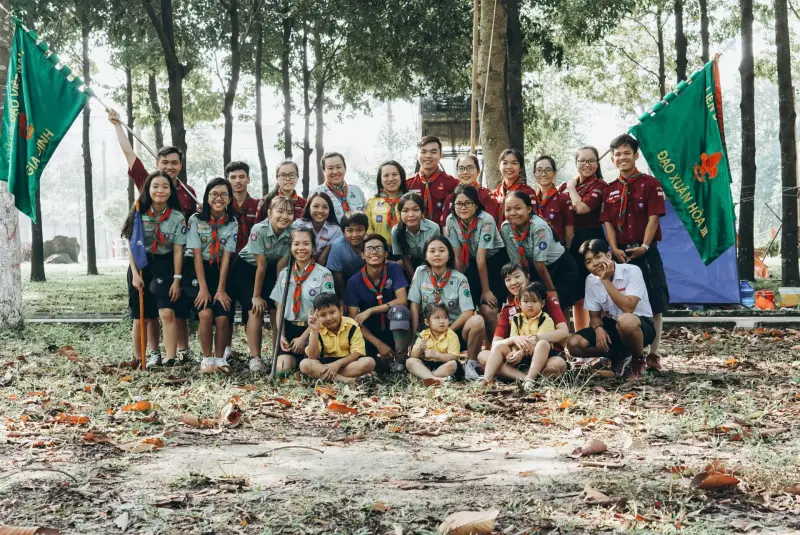
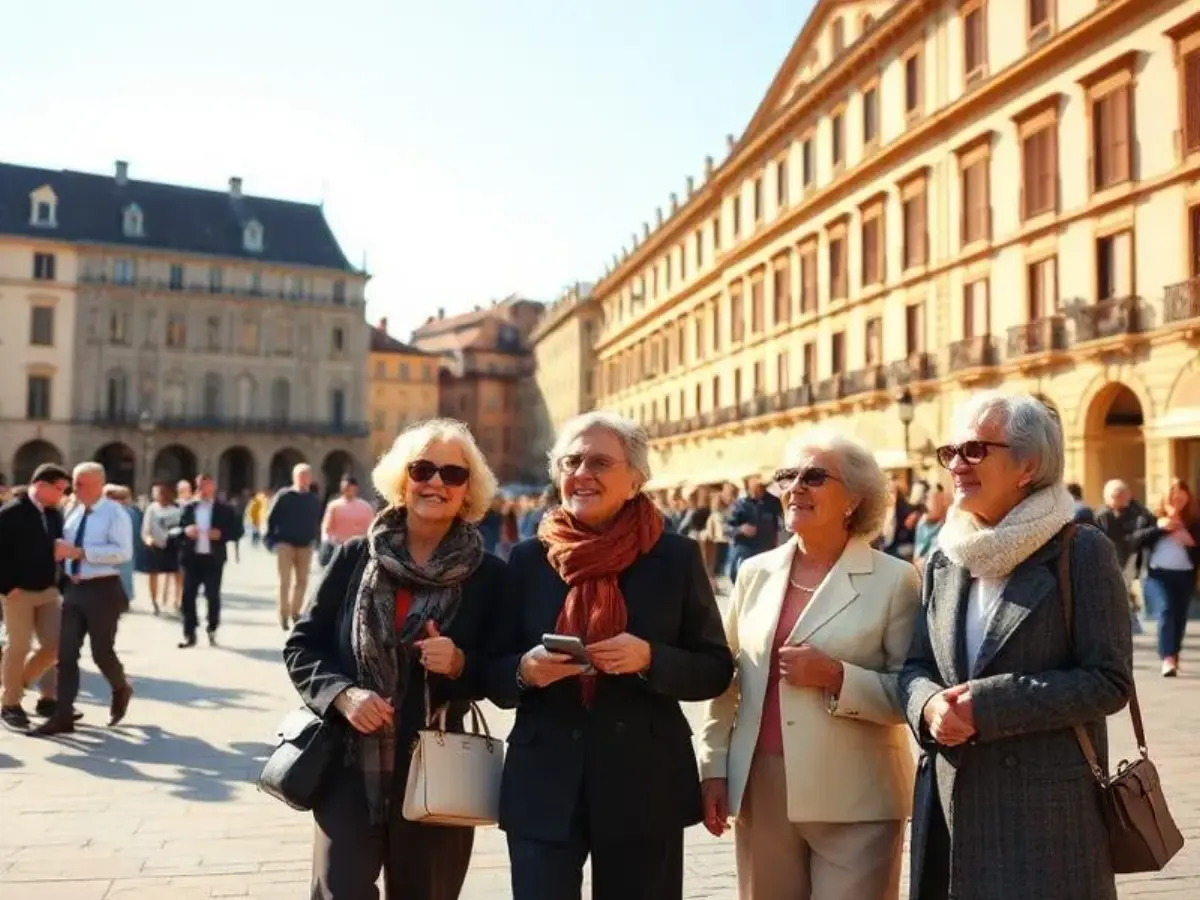
The extensions aren't interchangeable, and which one to propose depends on who's travelling. An educational group is a natural fit for Edinburgh: the castle, the museums and the historic Royal Mile give an extension day the same evidence-of-learning value that increasingly drives what school and institution buyers expect from any day on the itinerary. A senior travel group is often better served by Loch Lomond — a shorter transfer, a gentler single-site day, and none of the walking-heavy city-centre pace that a full Edinburgh day trip involves. A group with more days to spare and an interest in landscape can justify a Highlands block, but that is a multi-day programme to plan on its own terms. Proposing the wrong one for the group isn't a small miss: it turns what should be one of the easiest days of the programme into the day that needs the most last-minute adjustment.
What this means for your next Scotland programme
Quote the event days and the extension days as separate blocks, each against its own realistic schedule — the event days built around the venue corridor and session overlaps, the extension days built around verified transfer times rather than assumptions about how far Edinburgh, Loch Lomond or the Highlands actually are from the city. And work with a ground partner who already operates day tours into the places you are proposing, so the extension isn't something assembled specifically and expensively for this one group, but existing product your client simply steps into.
Planning a group extension in Scotland?
If you're building a group programme in Scotland, with or without a major event, we can look at extension days such as Edinburgh, Loch Lomond or the Highlands alongside the core programme and review what looks realistic for your dates. Get in touch to talk through the full programme.