









The product is the decision, not the destination
A school or university that buys a leadership or critical-thinking programme is buying something an itinerary cannot show on paper: the moments when students have to choose with incomplete information and live with the result. A tour where everything is decided before the group lands removes those moments. A loosely organised trip creates plenty of them, but it also hands students decisions they should never own.
The design work sits between the two. Before quoting, the operator has to decide which decisions belong to the students and which stay with the programme. That split is the real specification of a leadership programme, because it changes what gets contracted, how the group is supervised and where slack is deliberately left in the day.
What the group should never decide
Some components only work when they are fixed early and owned by whoever runs the operation on the ground. Letting students choose the route or the transport sounds formative; in practice it collides with driving-time rules under Regulation (EC) No 561/2006, with timed entries that do not move, and with the safeguarding framework the school has already signed off. Those questions are covered in our guide to school travel safety standards; here they matter because they define the edges of the student role.
- Institutional access. European Parliament group visits are free, requested well in advance and confirmed subject to room and speaker availability, and the Brussels hemicycle is due to close for renovation from January 2027 until further notice (European Parliament visitor information), so a programme for 2027 should confirm what the visit will include. Groups book the Parlamentarium ahead, the Reichstag dome works by advance registration, and CERN opens group reservations on its own booking calendar.
- Transport and accommodation. The coach, the driver's hours, the night-train reservations and the hotel are contracted, not debated.
- Supervision. Where the group may go unaccompanied, and for how long, is set with the school before departure, not negotiated by students on the day.
These are the anchors. Once they are locked, everything around them can be opened up.
What the group can decide, and why it has to cost something
The decisions that build leadership are bounded ones: inside a defined area and time window, between options that have already been cleared, with a constraint that bites. A choice without a trade-off builds no judgement. In practice that can mean:
- a fixed lunch and free-afternoon budget, within limits agreed with the school, with one student presenting the options and trade-offs to the group;
- a choice between two pre-cleared afternoon visits, argued for in front of the group;
- the walking plan between two fixed points within a supervised zone;
- briefing the group on the next day's institutional visit, and chairing the evening debrief.
Where group size and supervision allow, roles rotate so that each student carries a decision with consequences. The operator's work here is invisible to the students: the options are checked in advance, the free afternoon sits in an area the staff can cover, and there is a fallback if the group's choice falls through. Leaving part of a day unstructured is a design decision, not a gap in the programme.
Contradiction is the critical-thinking curriculum
Critical thinking needs two credible sources that disagree. Europe supplies them, provided the programme is sequenced to put them side by side.
- Brussels: two briefings on the same policy, one from an institution and one from a think tank such as Bruegel or CEPS, followed by a debate on which was more persuasive and why. The institutional side of a Brussels programme is set out in our Brussels guide for politics and IR students.
- Berlin: the Topography of Terror, the DDR Museum and the former Stasi headquarters tell different, sometimes conflicting, stories about the same century. The district and calendar logic is in what a school group needs to know about Berlin.
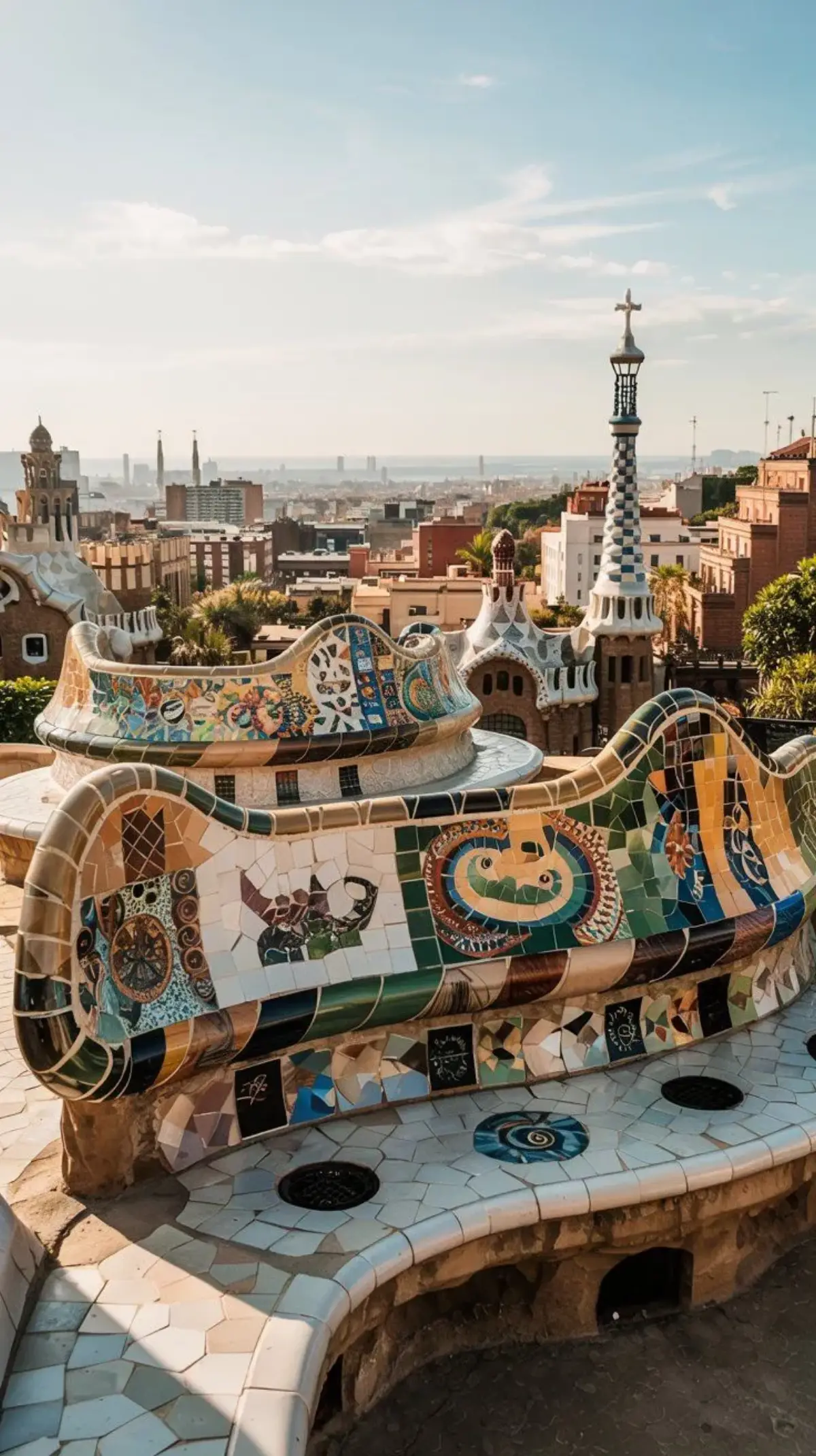
- Barcelona: the Sagrada Família, the Gothic Quarter and MACBA give three different answers, from three eras, to the same question about public space.
- Geneva: at CERN, researchers talk openly about what they do not yet know, which models intellectual humility better than any leadership framework.
The pairing only works if the two sources fall close together, on the same day or on consecutive days, while the comparison is still fresh. That makes it a booking constraint as much as a teaching one, and another reason the anchors are fixed first.
The debrief is a scheduled component
A daily debrief turns the day's decisions into learning: what went wrong, what the group got right, what changes tomorrow. It does not happen by itself at the end of a long day. It needs a space where the group can sit together, a slot that does not fall after a late transfer, and a group leader who has the questions in hand. Treated as a component of the operational plan, like a guide or a visit, it survives the itinerary; treated as an optional extra, it is the first thing to go. A night train such as the ÖBB Nightjet can sometimes host that session on a transfer, but only if the compartments and timing allow it; otherwise the debrief needs its own slot.
If you are packaging a leadership or critical-thinking programme for a school or university, send us the brief your client has approved: the group, the dates, the learning goal and the decisions you want students to own. We can map which anchors need to be secured first and where student decisions can safely sit in the programme.