









Why Sagrada Família Breaks Retail Booking Logic
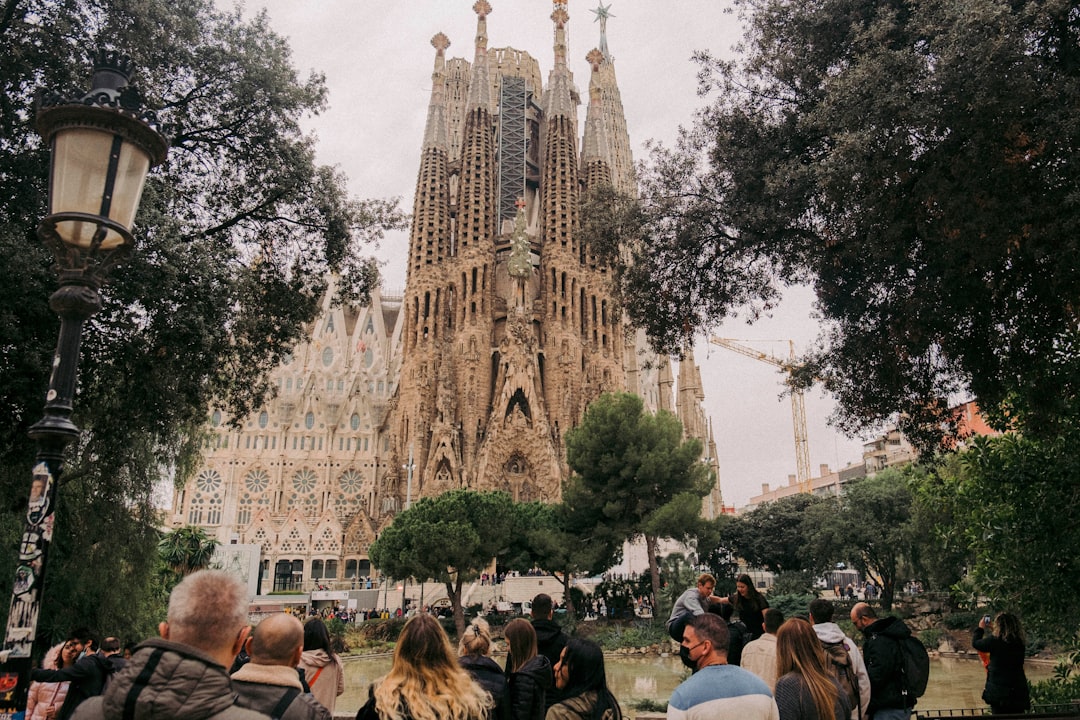
For tour operators planning group programmes in Barcelona, the Sagrada Família represents a unique operational nexus. While its architectural grandeur is undeniable, the logistical challenge for groups of 40 or more participants often goes underestimated. The basilica welcomed 4,877,567 visitors in 2025, and entry runs on timed tickets, so the slot a group is given shapes the flow of an entire day.
Crucially, group tickets for 10 or more participants are not secured through the public-facing ticket flow. They require a separate booking channel with the basilica's group reservations desk. Attempting to book a large group through the retail system can result in a fragmented experience, with participants split across multiple slots, thereby compromising the guide's narrative and the cohesion of the visit. This matters most during peak months, April to October, when popular slots can go well before departure, which is why knowing what shapes a group programme's calendar, component by component, matters. The basilica's own group rules are fixed: group tickets are booked at least 15 days ahead, in groups of 10 to 30, with an official Foundation guide. A group of 40 therefore has to be divided into several groups, each with its own booking and guide.
Planning the Advance-Booking Window
Securing suitable Sagrada Família group slots requires a realistic understanding of lead times. The basilica's 15-day minimum is a floor, not a plan: for programmes running between April and October, it is sensible to open the file well ahead of the season. For the quieter shoulder months of November to March, the window may be shorter, though early booking remains prudent. With Spain experiencing continued growth in visitor numbers, as detailed in our analysis of its record tourism figures, pressure on popular slots is unlikely to ease.
Tower access adds another layer of complexity. The standard group visit does not include the towers, so they are a separate matter to confirm with the basilica, including restrictions and timings. Adding them can shape the rest of the day, influencing coach arrangements, pre-booked lunch reservations and onward transfers. The basilica requires full payment 15 days before the visit, so payment and name-list deadlines need to be tracked, by the operator or with the DMC, so that none is missed.
Official Guides, and Where Local Guides Fit
Groups cannot use external guides for the visit inside the basilica: the group visit includes an official guide, and the basilica's rules state that groups are accompanied by an official guide accredited by the Government of Catalonia. The guided tour lasts around 50 minutes and is offered in several languages, always subject to availability, so guide language is something to request as early as possible. The basilica also keeps a quiet hour from 9:00 to 10:00, when audioguides require earphones. For groups larger than 30, the practical consequence is more than one group and more than one guide.
This changes where a licensed local guide adds value: around the visit rather than inside it, framing the building before the group arrives and picking up the rest of the Eixample day afterwards. For arts and architecture student groups, that framing can turn a visual tour into a deeper study of Gaudí's work, much like the focused itineraries we discuss in our insights for arts and humanities students.
Coach Access and the Carrer de Sardenya Stop
The physical logistics of coach movements around the Sagrada Família are a primary concern for group operators. According to the city's ZonaBus information, coaches are not allowed around the basilica except with a stop reservation, and there is one authorised stop in front of the Temple on Carrer de Sardenya. Stop reservations are open to school groups and to groups with reduced-mobility passengers, and are requested through the ZonaBus system with the group's entrance ticket as backup. For other groups, drop-off and parking arrangements need to be planned separately, and drivers will have to relocate their vehicles away from the basilica after dropping off. Groups enter through the group entrance on Carrer de la Marina.
This relocation has implications for driver-hours rules (Regulation (EC) No 561/2006), especially when the basilica visit, including travel to and from drop-off points, takes up a large part of the day. We recommend an arrival buffer before the timed entry slot to allow for unforeseen traffic or drop-off delays. Wet-weather and protest-day contingency routes should be planned in advance. These logistical considerations extend beyond standard city transfers, touching on the planning behind all coach movements, as explored in our guide to scenic European coach routes and their operational realities.
Safeguarding and Contingency for School and Youth Groups
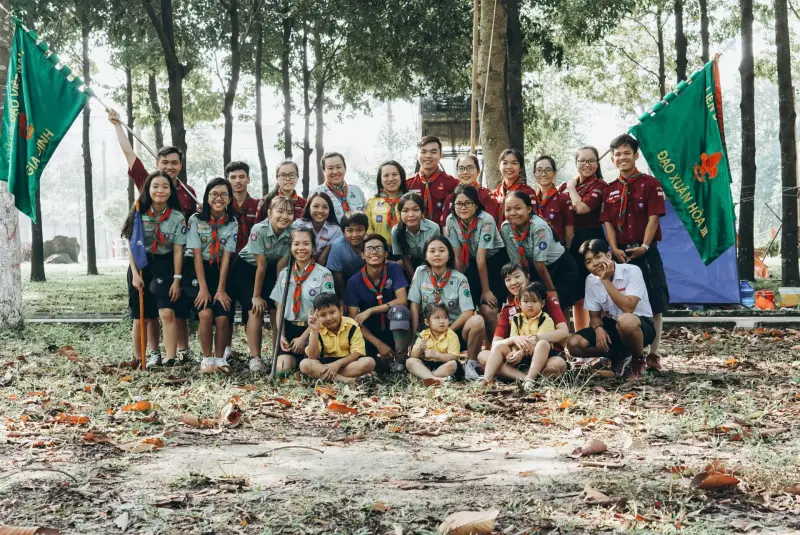
For school and youth groups, an additional layer of safeguarding and contingency planning is essential. The basilica's schools programme offers free entry for one teacher per 15 students and asks that the group stays together with a teacher at all times, so the group composition should be checked against these rules before booking. Designated meeting points are agreed in advance for lost-pax protocols. Emergency contact arrangements are agreed with each client before departure, and hospital routing is part of the plan: Hospital de la Santa Creu i Sant Pau is a major hospital close to the basilica.
Managing mobility, medical, and dietary needs across a multi-hour programme in the Eixample district requires careful planning: dietary, mobility and medical information is passed on to suppliers and guides in advance. Insurance certificates and passenger manifests should also be checked before the day, not handled on it, which streamlines any incident response. This approach is in line with the practices we outline across educational travel, detailed further in our standards for reducing risk in school travel.
What a DMC Takes Off the Operator's Plate
The operational load of managing a Sagrada Família group visit can quickly escalate when an operator attempts to coordinate directly with multiple suppliers. A DMC can act as a single point of contact, handling the liaison with the basilica, local guide agencies, coach companies, restaurants, and other programme elements. This centralised approach is valuable when, for example, the basilica reshuffles group windows: the team can look at re-slotting and adjusting the wider itinerary, subject to the basilica's availability.
Operating since 2007, BRACAP works with local guide agencies and transport providers. That experience helps when unforeseen events, such as a delayed flight, put a pre-booked timed slot at risk: local knowledge makes it quicker to explore alternatives and renegotiate where the basilica and suppliers allow it. BRACAP can act as that single point of contact, with responsibilities set out in each contract, which supports how a DMC protects the operator's reputation.
For Barcelona programmes touching Sagrada Família between April and October, send us your departure dates as soon as they are known and we can review the slot options with you.
Securing the basilica slot and the rest of the day this early, under whichever brand is selling the trip, is the kind of operational discipline a white-label DMC partnership in Europe is meant to support.