


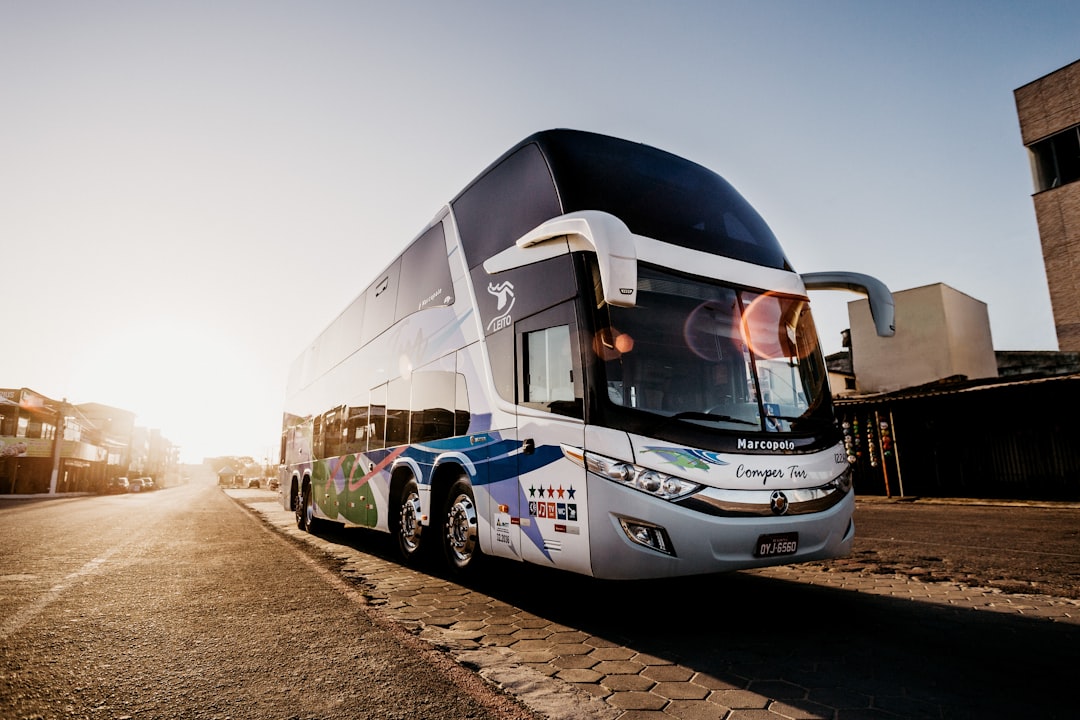
For a 2026 group departure to Glasgow, Florence, Reykjavík or any mid-sized European city, the compliant 49-seat coach fleet is already half-booked — before the hotel, before the museums. Operators locking capacity 18 months out are paying standard rates; those quoting now for Commonwealth Games-adjacent cities are seeing €1,200 a day against the €450 a day secured by whoever booked in January. Once coach inventory tightens, hotel blocks re-price, museum slot availability shrinks, and guide pricing follows the same curve. The 14-month calendar below is what keeps a programme on the early side of that line instead of the expensive one.
Why the compliant coach fleet is the real bottleneck
"Compliant" is doing real work here: European emissions regulation, driver-hour limits and insurance requirements have culled the available 49-seat fleet, and a coach that meets Euro 6 standards and can legally operate inside low-emissions zones — Florence’s ZTL among them — is a smaller pool than the headline number of "coaches in Europe" suggests. That pool is what actually gates a group departure, not hotel or museum capacity, which is why booking sequence has to start there rather than with accommodation.
Off-peak is a different booking position, not a discount
Ireland's Q1 2026 visitor spend rose 24% to €909 million, and Dublin hotel rates in January run 30–40% below July — but the operationally relevant fact is that operators who book solid in June are working from a fully closed calendar, while the same dates in February are wide open. That's not cheaper access to the same product; it's a different level of guide availability, shorter queues and hotels competing for a group's business rather than declining it. The weather trade-off is smaller than it looks on a spreadsheet: late April, after Easter holidays clear, and late September, before October rain sets in, are operationally stronger than peak summer — cooler walking conditions, thinner crowds at ticketed sites, and blocks that hotels are still actively selling. Mid-January works too, provided the day structure leans indoor-heavy.
Nordic and Scandinavian are not the same booking problem
Iceland and Finland sit outside Scandinavia proper but get bundled into "Nordic" itineraries regardless, and the ferry schedule is what actually decides whether that bundling works. The Helsinki–Tallinn ferry runs year-round, two hours, around €40 per person — a genuinely flexible add-on. Stockholm–Helsinki overnight works at 15 hours and €80–150 per bunk, but only two departures run each week, which has to be built into the route rather than assumed. The Bergen–Hirtshals ferry to Denmark operates April through September only. Combining Norway, Iceland and Finland inside one 14-day group circuit rarely survives contact with these constraints — three days disappear into transport alone, and the coach and ferry costs compound faster than the itinerary earns back in content. The workable version separates Iceland from a Scandinavia-only circuit, with Finland ferried in from Stockholm where the calendar allows it.
The 14-month booking calendar
At 14 months out: lock the coach, and confirm any Commonwealth Games-adjacent cities, Oberammergau passion play timing, or other event-based dates that compress availability further. At 10 months: secure hotel blocks in Lisbon, Porto, Florence, Edinburgh and comparable mid-sized hubs where summer rates close early. At 6 months: reserve seats on scenic rail — the Bergen Line, the Glacier Express and similar routes release premium pricing at this window and get more expensive the closer the date gets. At 3 months: lock timed museum entry at the Vatican, the Uffizi and Sagrada Família, plus restaurant reservations in Copenhagen and San Sebastián and any private experience needing confirmation. At 6 weeks: local guides, airport transfers and last-minute substitutions get booked — and if a quote is still over budget at this point, negotiation rarely moves it. The calendar punishes a late booking with scarcity pricing, not a discount.
The 9am slot that reads as insider access on a client-facing itinerary is, on the calendar, simply the booking nobody else got to first.
Vatican Museums' 7:30am entry costs €45 extra and the queue at that hour is three people deep. The Uffizi stays open until 10pm on Friday nights — a slot most programmes never book because they're planning around school-holiday crowds rather than the fact that June Fridays run half-empty at 9pm. Sagrada Família's first 9am slot releases 60 days out and most groups never check that far ahead. Private cellar visits in Bordeaux book direct through the vineyard at €25–40 per person rather than the €80 markup an aggregator charges. None of it is hidden — it's operationally unglamorous enough that platforms don't bother listing it, which is exactly why booking it directly and early is a genuine edge.
What holds true regardless of group volume
A weather contingency — an indoor backup within a ten-minute walk of the morning site — has to exist for every day, regardless of forecast. Lunch decides afternoon energy more than the morning site does: a group rushed through an 11:45am sandwich between two museums will flag by 3pm no matter how strong the afternoon programme is. The 90-minute rule holds across museums, galleries and guided tours — attention fractures past that mark, so a 15-minute break belongs on the other side of it. Transfers after 3pm on Fridays need a 40% time buffer in every European city, as traffic, driver fatigue and weekend departures all compound. And the daily structure itself should hold to two anchor experiences — one major site and one lighter counterpart, not five competing attractions — because fatigue closes a programme down faster than bad weather ever does.
Frequently asked questions
When exactly should a 2026 group departure lock its coach?
At 14 months out for high-demand or event-adjacent cities — the compliant 49-seat fleet is the tightest resource in the entire booking sequence, and everything else in the programme re-prices around whoever secured transport first.
Does off-peak scheduling really change availability, or just the price?
Both, but availability is the operationally significant part. A calendar that's fully closed in June is genuinely open in February, which changes guide access, queue times and hotel responsiveness, not just the rate on the invoice.
Can Iceland, Scandinavia and Finland be combined into one group circuit?
Only with the ferry schedule built in from the start — the Helsinki–Tallinn and Stockholm–Helsinki routes and the seasonal Bergen–Hirtshals crossing all impose real constraints, and a 14-day circuit spanning all three usually loses three days to transport alone. Separating Iceland from a Scandinavia-only route is the more reliable structure.
What happens to a programme quoted after the 6-week window?
Guides, transfers and last-minute substitutions still get booked, but negotiation stops moving the price — what's left is scarcity pricing, not a discount that reappears with the right phone call.
Building a 2026 or 2027 group programme?
The coach fleet, not the hotel, is what actually sets the clock on a European group departure. If your dates and target cities are set, send BRACAP the group size and timing via our destinations page or directly through contact. For the wider set of operational lessons behind this calendar — supplier vetting, off-peak positioning and what the paper itinerary doesn’t show — see our companion piece on what running thousands of European group departures actually teaches.


