




















The Tram 28 Problem: What Retail Content Doesn't Tell Buyers
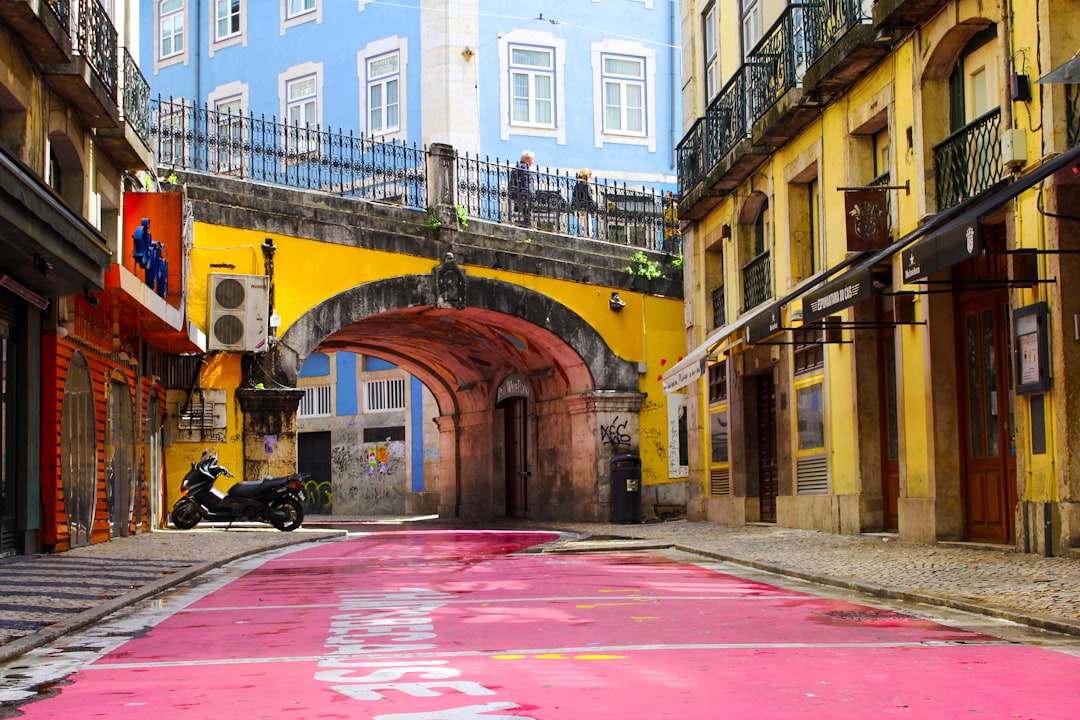
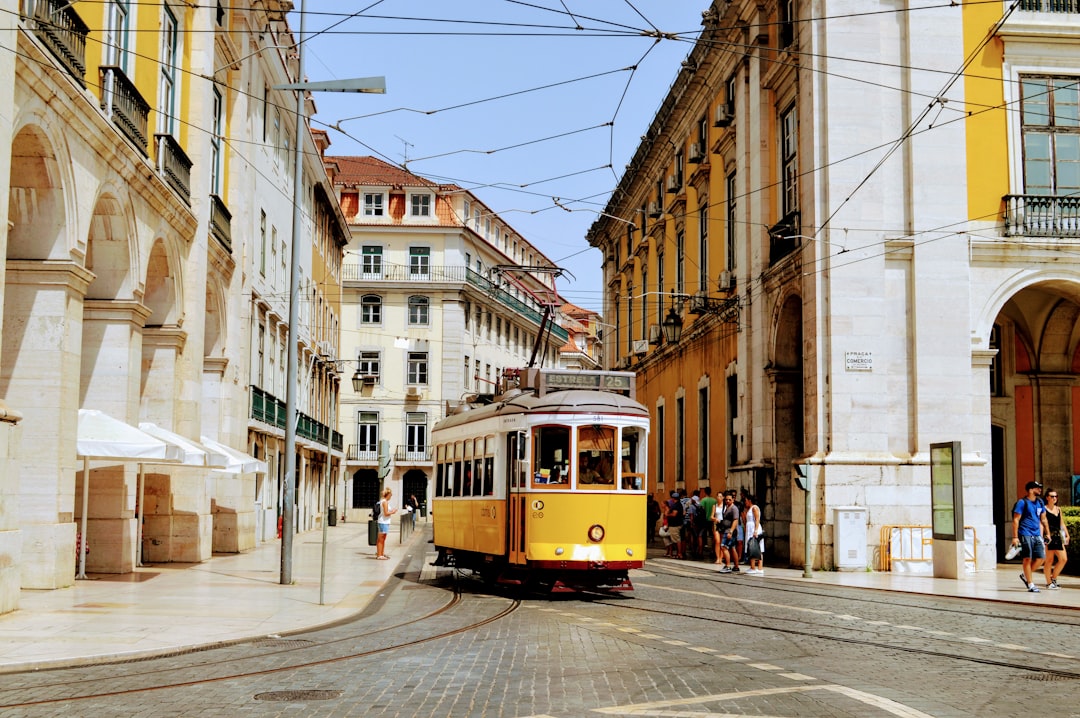
Lisbon's iconic yellow trams feature prominently in travel photography and independent trip planning guides, often presented as an essential experience. For tour operators managing multi-day itineraries for groups of 40 or more, the operational reality of the celebrated Tram 28 (Carrís) is significantly different from the romanticised imagery. Carrís operates a public transport service, not a bookable tourist product designed for group excursions. Its vintage Remodelado cars are small, with limited seating and limited standing room. Attempting to board a public service tram with a large group introduces immediate logistical challenges.
During peak seasons, particularly from May to September, queues at popular stops like Martim Moniz and Praça Luís de Camões can grow long. This is exacerbated by the sheer volume of visitors, and Lisbon's infrastructure feels the strain. A group of 40 paying clients simply cannot board a single public tram unit; splitting the group across multiple, unpredictable departures becomes the default, not the exception. This introduces delays, reduces quality control, and compromises the planned itinerary flow.
What 'Authentic Local Transport' Means When You're Contractually Accountable
For a tour operator, 'authenticity' must translate into a contractually deliverable service. This requires a clear distinction between the public Carrís lines (such as the 28, 12, 15, 24, 25, and 28E) and privately chartered heritage trams. For a group, 'authentic local transport' only works as a contracted service: a private heritage tram charter, not an attempt to board the public line.
These are the same distinctive yellow Remodelado units, but they can be hired for groups with fixed routing and defined timing. Charter duration and routing are agreed with the operator for each request, with routes that can be negotiated to cover key areas like Baixa, Alfama, and Estrela. Securing these private charters requires foresight: peak-season slots between May and September tend to be the first to tighten, and availability has to be confirmed with the operator for each date. A white-label DMC can carry that contracting under the client's own brand (how a white-label DMC partnership is structured commercially), but the principle for the programme is the same: the 'authentic' element should refer to the vehicle and the pre-planned route, rather than relying on the unpredictability of public schedules.
Group-Size Constraints: How 24, 40 and 60 Pax Change the Plan
Understanding the actual capacity of these heritage trams is crucial for itinerary design and pricing. A heritage tram is a small vehicle with limited seating and limited standing room, so the capacity of the specific unit should be confirmed with the operator before a group size is committed. This has direct implications for group sizes:
- 24-pax groups: A single tram unit may accommodate this size, depending on its confirmed capacity, though the per-passenger cost tends to be higher than for larger groups.
- 40-pax groups: A single tram is likely to be a tight fit. Operators must either accept that a significant portion of the group will be standing for the duration, or, more commonly, split the group into two departures a few minutes apart.
- 60+ pax groups: For this size, more than one unit is generally necessary. Alternatively, staggered rotations can be implemented, with a cultural stop such as the Sé Cathedral or Miradouro de Santa Luzia used to manage flow between tram departures.
It is also important to consider coach coordination. Heritage trams operate on narrow, historic routes, and coaches cannot reach many of the streets those routes cover. Precise pickup and drop-off pins for coaches are essential for smooth transfers. For more detail on managing group sizes efficiently, consider the operational maths behind small-group itineraries.
Backup Routing: What the Contract Should Specify When the Tram Doesn't Run
The heritage fleet, while charming, consists of historic Remodelado units. Like any vintage vehicle, they can suffer service interruptions, which is a real risk to a tightly planned itinerary. That makes the backup plan part of the contract, not an afterthought: what happens if the unit fails, who arranges the alternative and how the group's time is protected are agreed before the date.
If a charter is cancelled or delayed beyond recovery, a sensible fallback is an alternative narrative walking route. This often involves exploring Alfama's miradouros with the same licensed guide already on-site, maintaining the educational and experiential value. Whatever the fallback, the contract should state when a disrupted service is re-routed and when it is refunded — the certainty tour operators should ask any Lisbon DMC for. For the wider logic of contingency planning, see how a DMC protects the operator's reputation.
How This Fits a Multi-Day Lisbon Programme
Integrating a private tram charter into a multi-day Lisbon programme requires careful sequencing to maximise its impact and operational viability. A workable slot is often mid-morning on Day 2, positioned after a visit to Belém and before an Alfama walking segment. This allows for an engaging transition between key historical areas.
It is advisable to check busy moments with the operator, such as weekend afternoons, when street activity and public service volume can constrain charter routing. Pairing the tram experience with a fado lunch in Alfama or a stop in Cais do Sodré provides a cohesive half-day programme. When planning, consider the overall neighbourhood pacing: Belém for monastic and maritime history, Alfama for the tram and fado, and Príncipe Real for dinner options. Shoulder months such as spring and autumn can ease availability and supplier pricing pressure, though this depends on the operator and the date. Further guidance on crafting effective itineraries can be found in our guide to designing Lisbon group itineraries by neighbourhood.
What to Ask Your DMC Before Signing a Lisbon Programme
Before committing to a Lisbon programme that features a tram experience, tour operators should ask their DMC precise questions to ensure contractual certainty and operational robustness:
- Is the tram inclusion a contracted heritage tram charter or an 'attempt to board public Tram 28' assumption?
- Which specific tram number, departure point, and route window are explicitly written into the itinerary file?
- What is the backup protocol in case of service interruption or cancellation, and who bears the cost if the charter is cancelled close to the date?
- How many passengers are allocated per unit, and is a second unit on standby for larger groups?
BRACAP has operated ground product across Europe since 2007. In Lisbon, a heritage tram charter works best when it is planned together with the coach and guide logistics around Alfama, where coach stops need to be pinpointed in advance. Coach availability can tighten (see what shapes a group programme's calendar, component by component), and the same principle applies to specialist transport like heritage trams.
For 2027 Lisbon departures, especially between May and September, it is worth raising the heritage tram charter early in the planning. Send us your dates via our contact page and we can review heritage tram charter availability for your group.
Arranging a heritage tram charter under a client's own brand is the kind of specialist contracting a white-label DMC partnership in Europe is designed to carry.