











Why National Parks Break Standard Group Itineraries
For tour operators, the planning assumptions that apply to urban European itineraries often fail when applied to national parks. While retail travel content frequently positions these areas as picturesque scenery, the operational reality involves vehicle restrictions, visitor management rules and specific logistical puzzles.
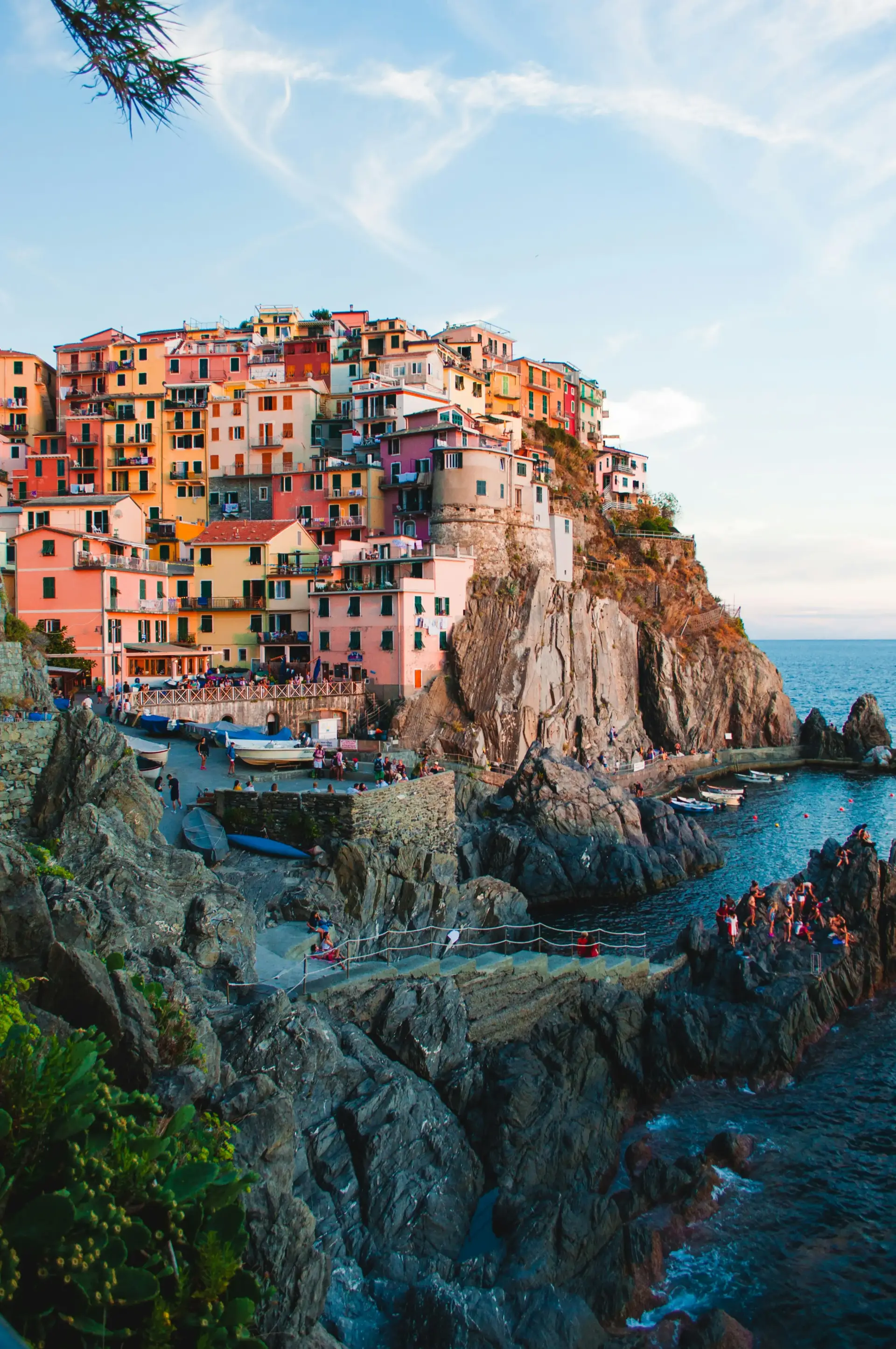
Consider vehicle access: a standard 49-seat coach, suitable for city-to-city transfers, is frequently too large for the narrow, winding roads or designated low-traffic zones within many parks. In Croatia, Plitvice Lakes National Park manages movement inside the park through its own transport and designated entrances, and tickets are sold through the park's official channels. In Spain, access to the Ordesa valley is restricted to private vehicles in peak periods, with a shuttle bus running from Torla instead; the park publishes the dates, which vary from year to year (see the official vehicle-access page). Italy's Cinque Terre villages are reached mainly by local trains and boats, because road access to the villages is limited. These restrictions mean that groups must often transfer to smaller, local shuttles, which then dictates drop-off windows and creates a knock-on effect on timings for activities and lunch arrangements.
Beyond vehicle size, visitor management is becoming more common. Some parks and protected areas use timed tickets, access passes or capacity controls, and entry is not guaranteed without them in busy periods. Retail booking platforms rarely surface these operational details, leaving operators to discover them late in the planning process. At BRACAP, we understand the distinction between a desirable itinerary and one that is operationally viable for groups, especially when navigating national park regulations.
Permits, Quotas and Seasonal Windows by Country
Navigating the permit regimes for European national parks requires lead time and a clear understanding of the rules of each park and country. These are not simply places to turn up and explore; they are managed ecosystems with entry and usage policies, and those policies differ from one park to the next.
Group registration, timed entry or access permits are common in popular parks, and the requirements tend to be stricter in the summer peak. Operators planning group visits to a site such as Plitvice, a UNESCO World Heritage site, typically check the park's current ticketing and group conditions first, and many look at shoulder-season dates to avoid the heaviest crowds of July and August. Each park publishes its own rules, so the first step for any programme is to confirm them with the park authority rather than assume a standard regime.
In the Pyrenees and the Cantabrian mountains, parks such as Ordesa y Monte Perdido manage peak-season access with shuttle buses and restricted road access, which affects where a coach can drop a group and at what times. In the far north of Europe, remote wilderness areas offer little infrastructure, and operators should check with the park or local authority whether guiding, registration or safety conditions apply to organised groups.
For alpine trekking groups, particularly those planning multi-day hikes in Italy, booking spaces in mountain huts (rifugi) is critical. Huts have limited beds and their own booking rules, which is why group allocations in the summer months are often arranged by local DMCs with established relationships, and why direct retail booking can be difficult for a group.
Guide Licensing: Where a Generalist Won't Cut It
Guiding in a national park is a specialised profession, often distinct from city or cultural guiding. The regulatory landscape can demand specific accreditations, and a generalist guide may not be legally permitted or adequately equipped to lead groups in these sensitive environments.
In mountain regions like France, Italy, Switzerland and Austria, leading groups on anything beyond the simplest trails often calls for a certified Mountain Guide (UIAGM/IFMGA qualification), depending on the terrain and local rules. These are highly trained professionals with extensive knowledge of terrain, weather and safety protocols. Beyond mountain guides, parks may require naturalist guides for ecological interpretation or specific cultural guides for heritage sites within park boundaries. It is crucial to verify which licence is mandatory for the planned activities and terrain.
The primary bottleneck is often the availability of licensed guides in the language the group needs, rather than a general shortage of guides. Park-specific accreditation should be verified guide by guide before a group is confirmed, so that groups are led by individuals who meet all legal and safety requirements. For school and senior groups, this includes adequate insurance and liability sign-off, which is paramount for safeguarding. This is also where working with specialist suppliers on complex itineraries matters: a DMC should be able to explain how park-specific accreditations are checked.
Transport: Coach, Ferry, Rail and the Last Mile
Getting groups from a gateway city to a national park trailhead involves a multifaceted transport strategy, often combining several modes of travel. The standard coach may not always be the optimal, or even permissible, solution.
Consider coach length and emissions-zone restrictions near parks in the Alps. Many scenic routes or village access roads are unsuitable for larger coaches, necessitating smaller vehicles or dedicated park shuttles. Ferry logistics are central for groups navigating Norway's fjord routes or reaching island destinations. Booking ferry crossings for groups, especially with a coach, requires precise timing and advance reservation, particularly for peak periods.
Rail-and-shuttle combinations are common, particularly for accessing parks like the Swiss National Park or gateways along Norway's Bergen Line. Our look at Norway's train journeys shows how rail connections can work well when they are planned carefully. Parking at popular park entrances is limited and may require pre-booking, while adherence to the EU driver rest-time rules in Regulation (EC) No 561/2006 (EUR-Lex) becomes critical on long park-access days, demanding careful itinerary planning to avoid breaches.
For peak summer dates, compliant coaches for park access should be contracted early, especially when specialist vehicles are needed; booking early reduces the risk but does not remove it, since smaller coach and shuttle fleets near parks are limited.
Safeguarding, Group Size and Pacing
Operational realities for school and senior travellers in national parks introduce specific considerations that directly affect itinerary design and guide ratios. Park authorities and guiding rules often set maximum group sizes on trails, to minimise environmental impact and manage safety, and the limit varies by park and activity.
This means a 45-pax coach group may not be able to move as a single unit on trails. It may have to be split into compliant subgroups, each requiring a dedicated, licensed guide, which affects guide ratios and overall costs. For senior groups, pacing is paramount: careful consideration must be given to distance, elevation gain and the spacing of rest stops. Our experience in planning stress-free multi-country tours for senior travellers underscores the importance of tailored itineraries in park environments.
School group safeguarding is another critical aspect. This involves not only appropriate guide-to-student ratios but also weather contingency plans and clearly communicated evacuation routes. In remote mountain and Nordic areas, access to medical facilities can be limited, so emergency evacuation arrangements and insurance cover should be checked before the programme is confirmed.
Lead Times and Supplier Relationships
Booking European national park programmes for groups differs significantly from standard city tours. Lead times tend to be long, and success often hinges on established supplier relationships rather than transactional online bookings.
For July–August departures, park-access permits, timed-entry tickets and licensed guides should be approached as early as possible, and the exact timing depends on each park and supplier. Shoulder-season departures (May, June, September) still call for contracting well ahead of the season. Mountain hut (rifugi) allocations are rarely available through online travel agencies (OTAs); they are often arranged through local DMCs with existing agreements with hut owners.
Relying on OTA-sourced guides without verification carries a risk of encountering individuals who lack the necessary park accreditation or insurance, which can lead to legal issues or, worse, safety compromises. BRACAP has operated group programmes in Europe since 2007, and works to identify which authorities and licensed suppliers each park involves, and how early to approach them. A DMC's relationships help with compliance and with finding alternatives when circumstances change.
For summer park programmes, it pays to start coach, guide and permit enquiries early in the year. Send us your target parks and dates via our contact page and we can review what each one involves before you quote the client.