













Slow programmes in smaller European cities are attractive to sell in autumn: calmer streets, shorter queues, a different pace. For a group, though, slow is a design problem rather than a mood. A week in a smaller city only works if the city can fill unhurried days for a whole group out of season, and that is a different test from the one a city passes in summer.
Off season, the risk is what closes, not what is full
Capacity still matters in any season, but in autumn and early winter the bigger risk moves to the calendar: seasonal attractions stop, schedules shorten, and some things a summer programme took for granted are simply not running. A slow programme leans harder on each fixed element than a fast one, because there are fewer of them and each one carries a day. If it is unavailable, the day empties. The supply filters that decide whether a city can take a group at all, from bed inventory to guides and coach access, are covered in how DMCs identify underrated European cities for group tours; this piece assumes those are in place and looks at what makes several slow days work.
What a smaller city needs to carry a slow group
- A single base that holds the whole group, close enough to the centre that slow days do not start with a transfer. The reasoning is the same one set out in why location beats stars for group hotels.
- Anchors that run all year or on confirmed dates: cathedrals, museums, working markets and scheduled performances rather than open-air or summer-only activities.
- Indoor depth for bad weather, because an autumn programme needs a credible alternative for a wet or windy day.
- Rail or road links for an easy excursion, so variety comes from a day out rather than a change of hotel.
- A centre the group can use on foot, with coach drop-off worked out wherever vehicles are restricted.
Five smaller cities read through that lens
Ghent. Short rail links to Brussels and Bruges make it a base rather than a stop, and the medieval centre around Graslei and Korenlei is compact enough for a walking programme. The Ghent Altarpiece at Saint Bavo's Cathedral is the year-round anchor; access and ticketing can change, so visitor arrangements are confirmed when the programme is contracted.
Trieste. A port city shaped by Austrian, Slovene and Jewish histories, which gives a slow programme real content beyond its sights. The caveats are seasonal: the bora, the cold north-easterly wind, can blow hard in the colder months and affects waterfront walks such as the Molo Audace, and the historic Opicina tramway has had long closures, so its status is checked before it is allowed to carry a day. Trieste and Ljubljana are linked by coach, which makes them workable as a pair.
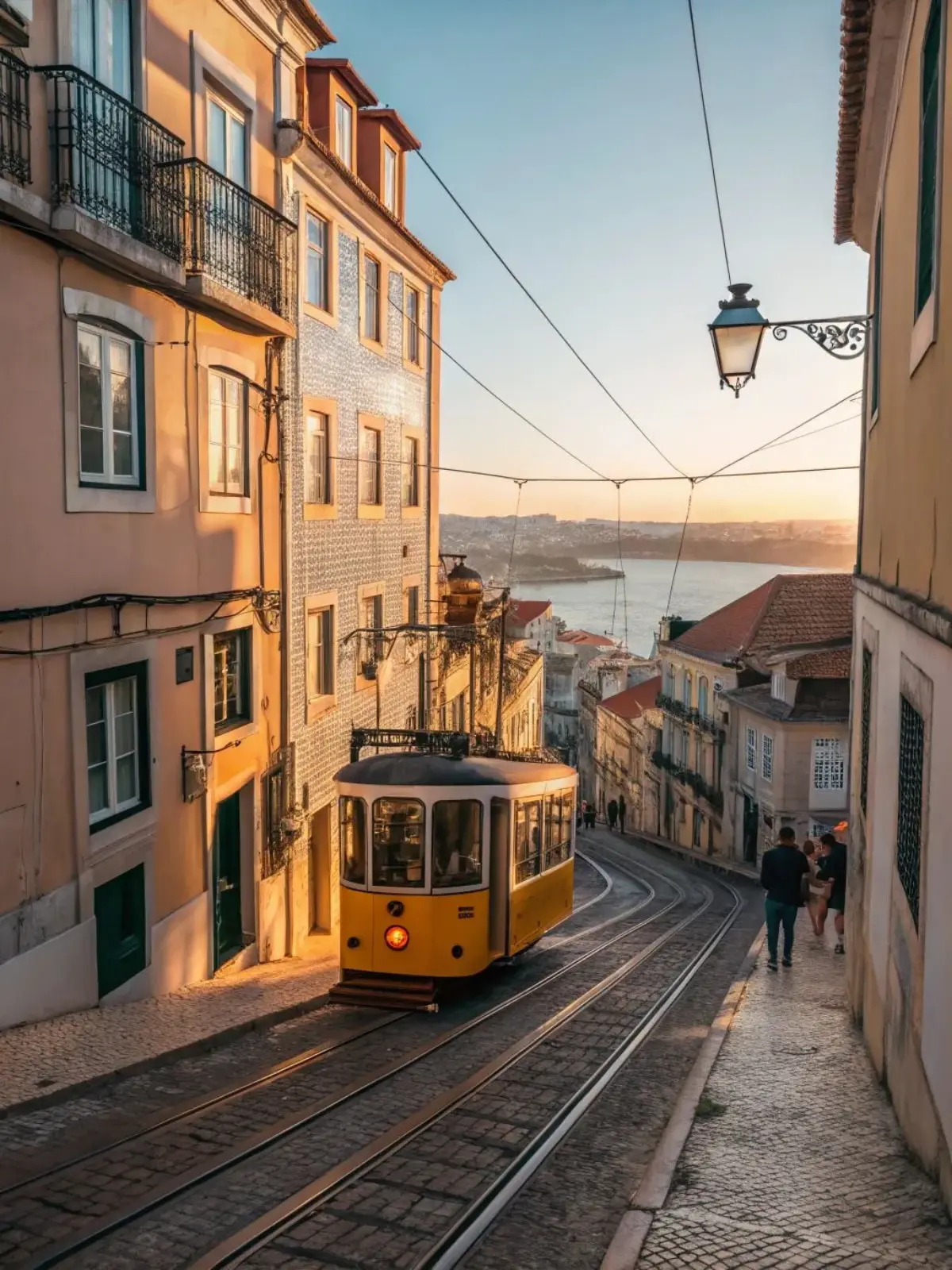
Porto. Out of season the Ribeira is quieter, the port lodges in Vila Nova de Gaia are calmer and group slots can be easier to find, and the Bolhão market, reopened after its long renovation, works as a living market rather than a sight. The Douro is the natural excursion, placed late in the stay so that it adds to the base rather than fragmenting it.
Ljubljana. A small capital whose centre is crossed on foot, shaped by the Plečnik bridges along the Ljubljanica. Cars have been kept out of the old town for years, which suits a group on foot and means coach drop-off needs planning. Open Kitchen, the city's street-food market, runs in the warmer months, a typical example of an element that drops out of an autumn programme. Lake Bled is reachable by train or bus, but the station sits some way from the lake, so the last stretch needs planning for a group.
Leipzig. Bach's city and a long-standing centre of German book publishing. The Thomaskirche, where Bach worked, holds motets sung by the Thomanerchor, typically on Friday evenings and Saturday afternoons but not every week, and the Spinnerei, a former cotton mill turned gallery complex, holds open-studio weekends during the year. Either can anchor a day once the dates are checked against the published programme.
Designing the slow week for a group
Fewer fixed points, each one confirmed: a single base, one anchor per day and free time that is genuinely free rather than a gap. Every seasonal element is reconfirmed at contracting instead of being assumed from a summer brochure, and each day has a weather alternative that is an anchor in its own right. Unhurried does not mean unplanned. The less there is in a day, the more the one element in it has to be right, which is the gap between an attractive itinerary and one that is operationally viable.
If a smaller city is on your autumn shortlist, tell BRACAP the group profile, the dates and what the stay is meant to achieve, and we can check which anchors will be running on your dates and how to build the week around them.