












Why neighbourhood-led itineraries suit groups better than the standard Lisbon city tour
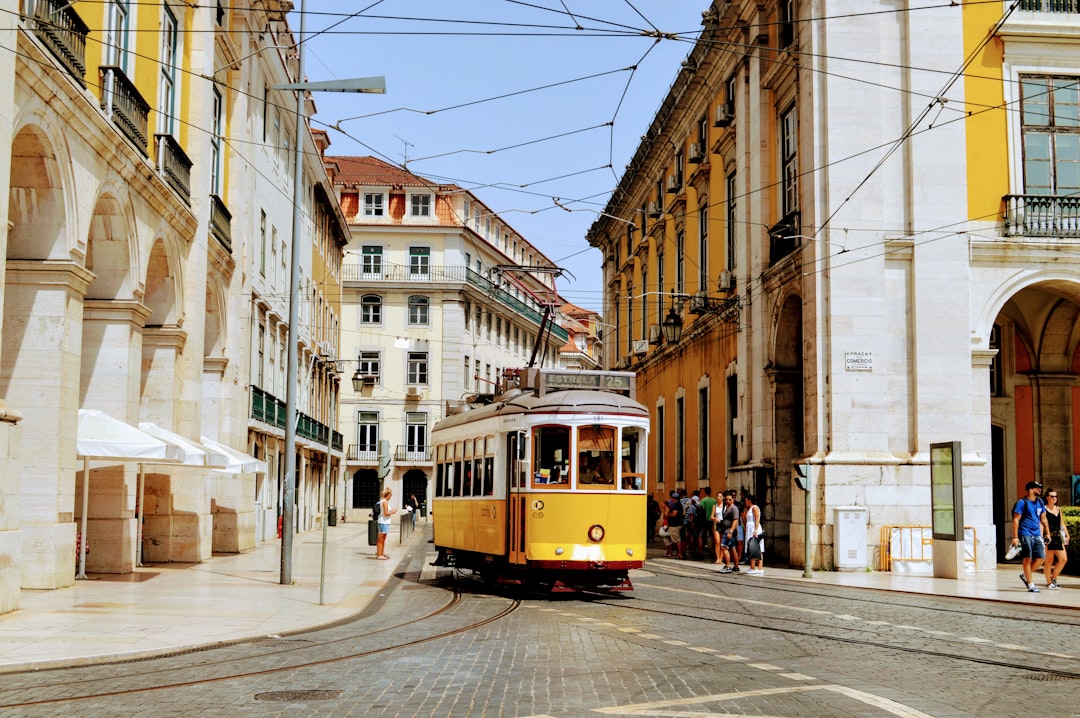
Lisbon's neighbourhoods aren't an aesthetic choice for tour operators; they are an operational framework. The city's famed seven hills and the popularity of historic transport like Tram 28 mean that a traditional 'see everything' coach tour becomes unworkable for larger groups. Attempting to navigate large coaches through narrow, often pedestrianised streets, or managing passenger flows onto already crowded public transport, introduces significant logistical friction.
Structuring programmes around distinct districts like Alfama, Príncipe Real, and Belém, however, transforms operational challenges into scalable, repeatable itineraries. This approach allows operators to build themed delivery units, differentiating their product from generic city tours. It also enables the repeat-selling of the same supplier network across multiple departures, a key advantage. Unlike many B2C platforms, which tend to offer standardised experiences, a neighbourhood-focused strategy can build closer local partnerships – think family-run fado houses in Alfama or institutional venues in Belém. This is how DMCs build exclusive experiences that B2C brands struggle to replicate. The distinction is clear: rather than offering 'a Lisbon programme', operators can market 'three Lisbons, one itinerary', highlighting depth and specific cultural immersion.
Alfama: maritime heritage as a half-day themed block
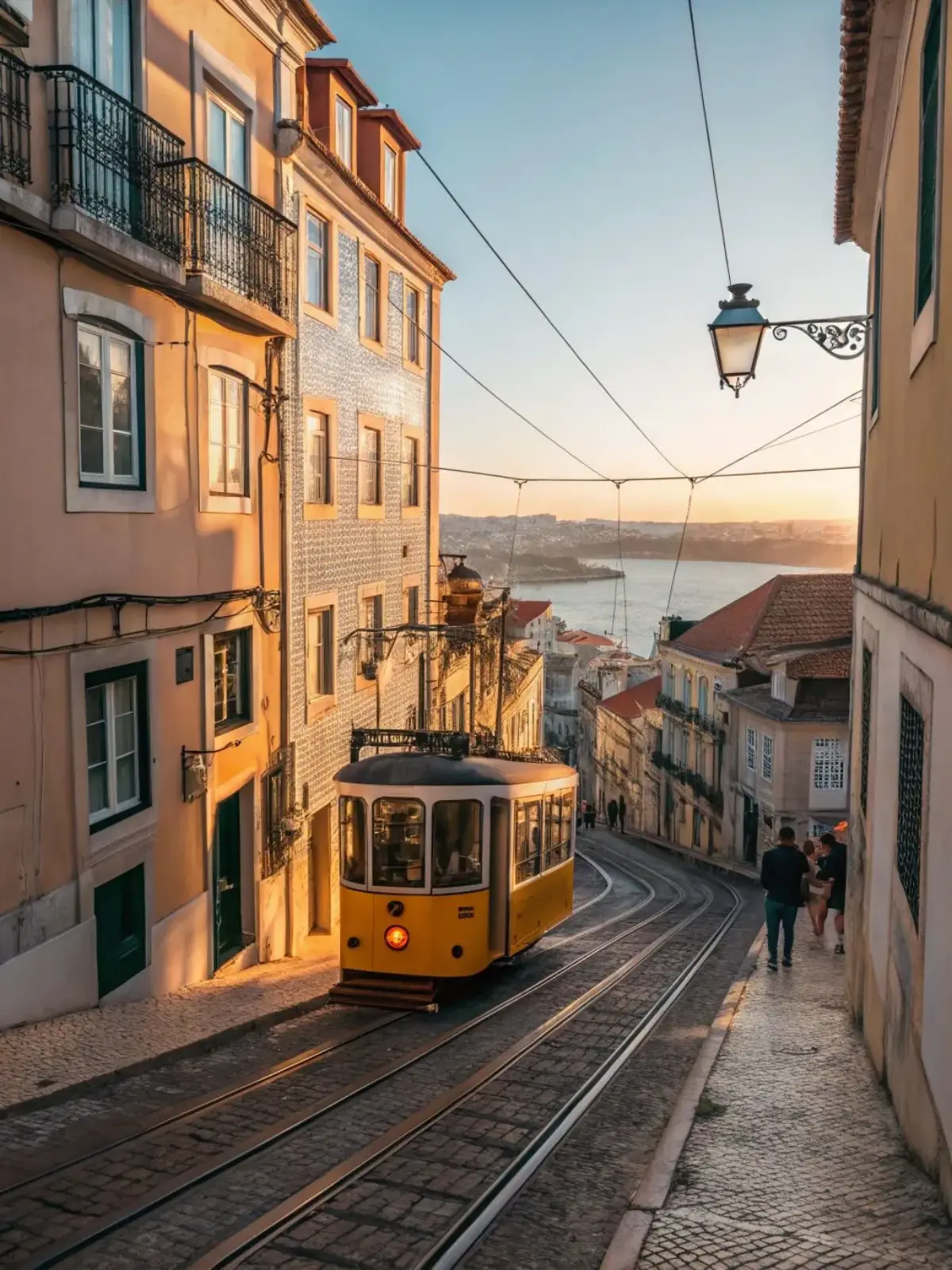
Alfama, with its Moorish layout and deep maritime history, presents a compelling half-day themed block. Logistically, operators must account for coach drop-off realities; coaches cannot enter most of Alfama's narrow streets, meaning groups will usually need to walk down into the district, not up. This descent, often on uneven cobblestones, requires careful pacing, especially for senior groups. The walk-down route and restroom stops are worth planning in advance, a non-trivial detail for longer excursions.
For an authentic experience, fado houses are central. Many of these venues are small, so a larger group may need either two staggered seatings or a full venue buy-out, which is best agreed well ahead of the season, particularly for peak dates. To build a cohesive narrative, consider pairing visits to the Sé Cathedral and the Casa dos Bicos (home to the José Saramago Foundation) to explore Lisbon's maritime and literary connections. A practical note: the National Pantheon is closed on Mondays (official opening hours), so scheduling around this is crucial to avoid disappointment. Early starts are generally advisable, as the busiest hours around the main viewpoints and monuments come later in the morning.
Príncipe Real: creative communities and the small-supplier vetting problem
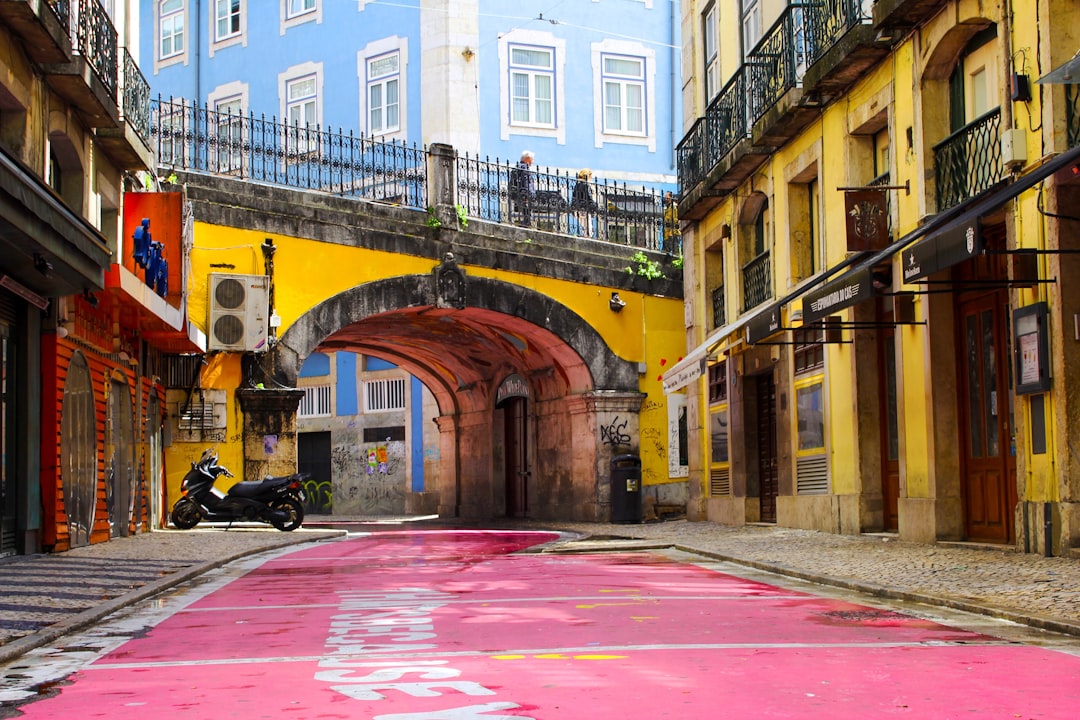
Príncipe Real offers a contemporary counterpoint, focusing on creative communities, independent ateliers, and concept stores. This district thrives on its unique, small-scale suppliers, presenting a specific vetting challenge for group operators. Key attractions include the Embaixada concept store, the square of Praça do Príncipe Real itself, and independent studios dotted around Rua da Escola Politécnica.
Many authentic suppliers in Príncipe Real are not set up for large groups and can only receive small numbers at a time. This means splitting larger coaches into smaller rotational groups, which requires meticulous planning and multiple local guides. When sourcing these independent partners, a rigorous vetting checklist is essential, covering liability insurance, English-language capacity, clear payment terms, and a transparent refund policy based on minimum numbers. Pairing these visits with a private cooking workshop or a natural wine tasting can create a cohesive experience of a few hours. Exclusive studio visits are best arranged well ahead of the season; in high season, small suppliers can fill up or stop taking new enquiries, so approach them early. This is also where a tailor-made itinerary turns out to be only half the job: the other half is keeping it workable on the ground.
Belém: institutional heritage and the coach logistics to plan for
Belém is Lisbon's monumental district, where the scale of its attractions meets high visitor volumes. Operational efficiency is paramount here. Both the Jerónimos Monastery and the Torre de Belém sell out regularly and the monuments themselves advise buying ahead; groups should check the monuments' booking rules and secure entry in advance through the authorised channels. For a broader cultural perspective, consider incorporating the MAAT (Museum of Art, Architecture and Technology) and the Berardo Collection, which offer a contemporary counterpoint to the Manueline narrative.
Coach parking in Belém is limited and can fill up quickly. It is best arranged early, alongside monument entry, to keep transitions seamless. Even a seemingly simple activity like tasting a Pastéis de Belém benefits from foresight; for groups, it is worth agreeing in advance with the establishment how the queue will be handled. Early morning and late afternoon tend to be calmer in Belém than midday, when cruise-ship groups are more likely to be on site. Managing coach movements and parking is a critical element of effective DMC operations in Europe.
Sequencing the three districts: a workable group day
Constructing a workable group itinerary around these distinct districts requires careful sequencing and an understanding of group dynamics and logistics. A sample day could involve Belém in the morning, followed by lunch in Cais do Sodré, then Alfama in the afternoon, concluding with a fado dinner in the evening. Príncipe Real can then be scheduled as a standalone half-day on day two.
Group size dictates the logistical approach: smaller groups can often manage with a single coach and a unified itinerary. For mid-sized groups, split rotations in Alfama and Príncipe Real become necessary to manage capacity and maintain experience quality. Groups that fill more than one coach will typically need two vehicles with staggered start times. Walking distances are a key consideration, especially for senior groups; the Belém monument cluster involves a fair amount of flat walking, while the Alfama descent is on cobblestones. Transfer time from Belém to Alfama in midday traffic should be budgeted generously, as it is often longer than navigation apps suggest. For hotel positioning, the Avenida da Liberdade area tends to offer better coach access than the historic hills, while Bairro Alto should generally be avoided for group arrivals due to its restricted access.
Seasonality, lead times and what to contract first
The success of a Lisbon group programme hinges on understanding seasonality and adhering to appropriate lead times for contracting. May, June, September and October tend to be among the busiest months for groups. During these periods, prime fado house slots and Belém monument entries can fill early. Operators must also be aware that the Santo António festivities peak on 12 and 13 June (Visit Portugal), with street celebrations across Alfama and other old neighbourhoods, so coach access and evening plans there need extra care; itineraries can either build around this as a themed product or avoid the district during this time.
The quieter winter months are a good window for site inspections and contracting suppliers for the following season. A sensible contracting order is to secure coach companies first, then Belém monument slots, followed by fado venues, and finally the smaller, independent Príncipe Real suppliers. Established supplier relationships in Lisbon can help with fado venues and Belém logistics that retail bookers may struggle to arrange.
If you are planning a Lisbon group programme, send us your dates and group size and we can review how this three-district structure fits it. See how we operate in Portugal.