





















Many group programmes start as a brief that assumes the itinerary is the hard part. It usually is not. The itinerary is often the easier part. What decides whether a programme can be delivered — and at the price you are about to quote — is whether each element has the capacity to hold the group, whether the enquiry arrived early enough for the components it depends on, and whether the connections between elements survive contact with real journey times. Three checks, run before the quote goes out, help prevent much of the re-costing that happens later.
Capacity: the number the brief rarely checks
A brief describes a place. Operations needs a number: how many people can stand in it at once, on that date, as a booked group. Those two things often diverge, and the gap is where programmes fail.
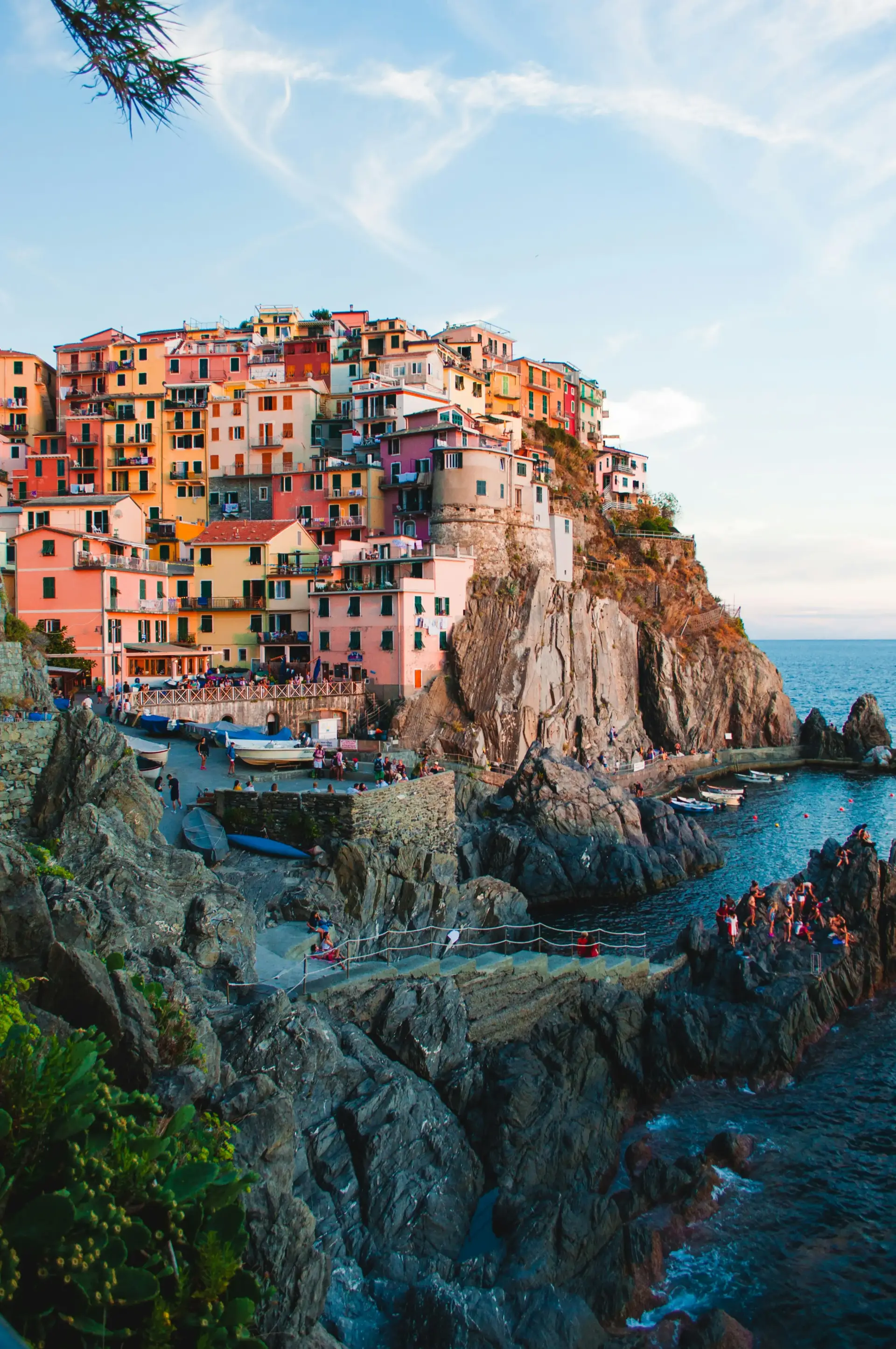
A wine estate that welcomes visitors all season may cap a seated group at a fraction of a full coach, because the tasting room seats what it seats. A hill village that appears in many brochures of its region may have no coach drop-off inside the walls. A museum that is open to the public may run group slots on a separate channel with a per-guide passenger ratio and a mandatory headset system above a certain size. Little of that is visible from the retail booking page, which is why retail availability is a weak viability signal.
The practical rule is to establish the group size band before checking anything else, because the answer tends to change at thresholds rather than gradually. A small group stays flexible on most European city product. As the group approaches a full coach, the coach becomes a planning constraint rather than a transport line. Once it needs more than one vehicle, split-group logistics start at heritage sites and restaurant capacity can become the binding limit rather than the hotel. Where each threshold falls depends on the site, the supplier and the date, so it has to be checked for each anchor.
Lead time: when the answer stops being yes
The second check is not what is available, but when the enquiry arrived — and which component this specific itinerary actually depends on. On the mainland the coach is often not what runs out first; islands are different, because few operators serve them, and the real coach risk anywhere is subcontracting, which booking early does not remove. The components that tend to tighten earliest are narrower and more specific — a hotel block in a historic centre, a table for the group size in a city with limited restaurant capacity, a guide in a language outside the core European market, or, for anything built around a monument with timed entry, the short period after that monument opens group sales, when quotas can go very quickly.
This is the check that most often turns a yes into a conditional yes, and it turns on whichever of those the itinerary actually leans on. An itinerary anchored on a timed-entry monument can be entirely deliverable when the enquiry arrives well ahead and lost when it arrives late, once that monument’s group quota has sold through, which is why the passenger list needs to be closed before sales open. An itinerary anchored on a historic-centre hotel block behaves differently again, because block and release terms are agreed hotel by hotel. The European group booking calendar sets out how each component actually behaves, rather than a single number to plan against.
Late does not always mean expensive. Often it means a different itinerary, sold on an anchor that is no longer there.
Connections: what the map does not show
The third check is the one that produces the worst days, because it fails on the ground rather than at contracting. Driver hours are regulated: under EU Regulation 561/2006 daily driving time is capped at nine hours (extendable to ten, at most twice a week), with a mandatory forty-five minute break after four and a half hours of driving. A scenic detour that adds an hour does not just add an hour: it can push the arrival past the point where the driver is legally required to stop, which moves dinner, which moves the hotel check-in, which can occasionally add an unbudgeted night.
Restricted traffic zones in Italian historic centres, low emission zones in German and Spanish cities and cross-border permit requirements, where they apply, each add either a transfer on foot at the end of the coach leg or a registration to arrange before departure. Ferry and mountain pass seasons close windows that a calendar does not show. And journey times published for a car are not journey times for a full-size coach in high season.
The correction is structural rather than clever: let transport dictate the route rather than fitting transport to a route already sold, put the demanding driving days early in the programme while there is still slack to absorb a delay, and carry a contingency float on any scenic day rather than scheduling it to the minute.
The viability check to run before you quote
Six questions, in this order, on any brief before it becomes a price:
- What is the passenger band, and what tolerance does the client need around it?
- Which one or two elements is the programme actually being sold on? Those are the anchors; everything else is built around them.
- Can each anchor physically hold the group on that date, as a contracted group rather than as retail availability?
- How far out is the departure, and is that early enough for whichever component this itinerary actually depends on — often a hotel block, a guide, or a monument’s own group-sales opening?
- Does every driving day stay within the legal driving limits and mandatory breaks, at real coach journey times?
- What is the fallback for each anchor, and has it been checked rather than assumed?
A brief that clears all six is in a position to be priced. A brief that fails one can usually be repaired by moving a date or substituting a comparable site. A brief that fails several should be renegotiated with the client before a number is put on it, because the alternative is quoting a programme that will be re-costed after it has already been sold.
Frequently asked questions
Why is retail availability not a reliable signal for groups?
Because retail and group inventory are often different channels with different rules. A site can show tickets for individuals while its group slots for the same date are closed, capped at a smaller number, or subject to a guide requirement and a per-guide ratio.
What commonly causes a group programme to be re-costed?
Two causes come up often: group size changing after contracting, and an anchor element that was assumed available and was not. Both can be largely avoided by agreeing a passenger band with a written tolerance, and by confirming the anchors before anything else is built around them.
How much contingency should a scenic driving day carry?
Enough that a delay does not cascade into the evening. In practice that means treating the published journey time as a floor rather than an estimate, and scheduling the day so that a late arrival costs comfort rather than a booked service.
Can a group itinerary be split across two vehicles instead of dropped?
Often, and it can be cheaper than losing a point of the itinerary. Splitting a group into two smaller vehicles for a single day is a common solution for villages and sites that cannot take a full-size coach; it needs to be costed at contracting rather than improvised.
Does a shoulder-season departure solve a viability problem?
Sometimes, and not for the reason usually given. Shoulder season is not the same product at a discount: guide availability, site access windows and supplier attention are genuinely different, which can turn an unworkable programme into a workable one. But some elements — mountain passes, seasonal ferries, harvest windows — can close entirely outside the main season.
Working on a brief that may not be operable?
BRACAP has contracted and operated ground product across Europe since 2007, and the viability check above is worth running on any incoming brief. Send us an itinerary in draft with the dates and the passenger band, and we can review what looks deliverable as written, what would need a substitution and what would need to move — before you put a price in front of your client. See how we build tailor-made group programmes, or send us the brief and we can review it.