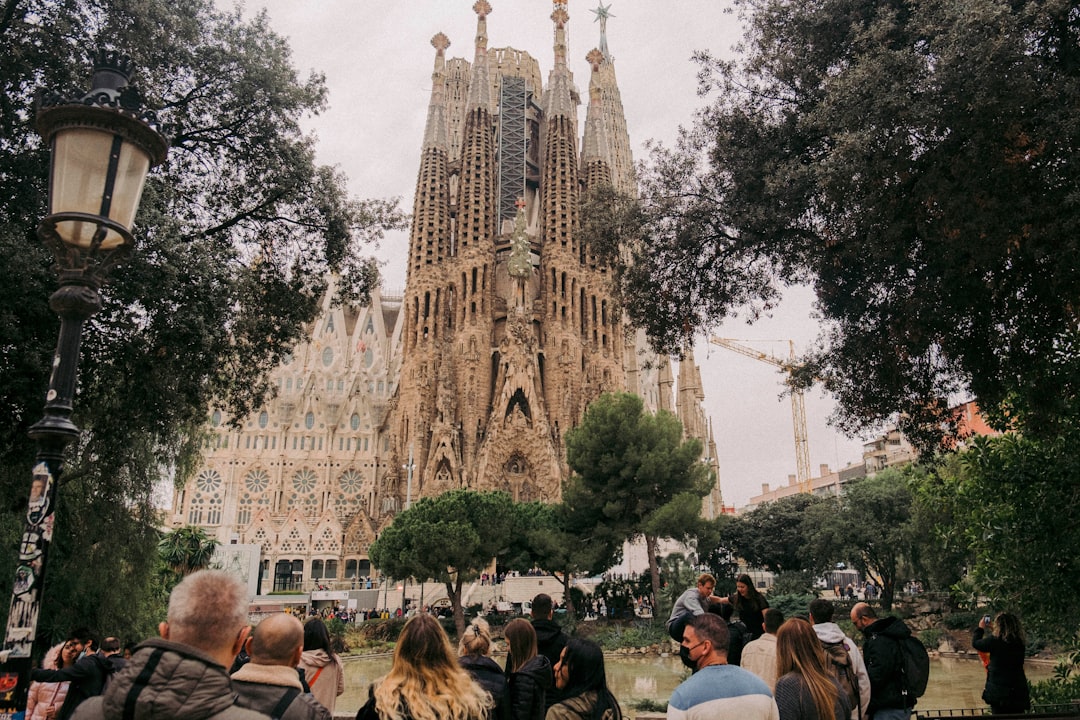













Barcelona sells itself to a school group before the operator has said a word: a teacher who has seen the Sagrada Família does not need convincing. The problem is the opposite one. The city is so legible as a set of landmarks that most educational itineraries are built as a landmark list, and a landmark list is what makes a Barcelona programme expensive to operate and thin to justify. The programmes that hold up in front of a head of department are built the other way round: from the subject, to the district, to the day.
What Barcelona teaches, by subject
The city covers more curriculum than its reputation suggests, and the strongest programmes pick two strands rather than sampling five.
- Architecture and design — Modernisme is the obvious strand, but the teaching value is in the working buildings rather than the icons: the Hospital de Sant Pau complex, the Palau de la Música, Casa Vicens, and the Eixample grid itself, which is a lesson in nineteenth-century urban planning that a group learns by walking it.
- History — The Roman city under the Gothic Quarter, the medieval trading power, and a twentieth century that is unusually accessible: the Civil War air-raid shelter at Refugi 307, the anti-aircraft batteries on the Turó de la Rovira, and Montjuïc Castle carry a history syllabus without a single museum queue.
- Languages — Barcelona is a bilingual city in daily use, which makes it a stronger immersion destination than a monolingual one for a language group: students hear Catalan and Spanish side by side and can be asked to notice when a speaker switches and why.
- Science and technology — CosmoCaixa for younger groups, and for sixth form or university cohorts the public universities and research campuses, which take institutional visits when they are arranged as a visit and not as a tour.
- Art — The Picasso Museum for the early work, the MNAC for Romanesque and Catalan modern art, the Fundació Miró on Montjuïc. One of these, chosen by the syllabus, is a morning; all three is a wasted day.
A Barcelona programme built from two subject strands and three districts is cheaper to operate and easier to defend than one built from ten landmarks. The landmarks still appear; they stop being the structure.
Sequencing the day for a full coach group
Barcelona’s districts are close on a map and slow on the ground. The mistake that costs the most time is crossing the city twice in a day, so the working rule is one district per half-day and the coach used for the transfer between them, not for shadowing the group.
Gothic Quarter and El Born work on foot and early. The Cathedral surroundings, the Roman wall remains and the Santa Maria del Mar basilica are easier to take a group of 45 through before mid-morning, when the lanes are quieter; later in the day they become too narrow for a group to move as one unit and the guide spends the morning counting heads. Pair the district with the Picasso Museum or the Museu d’Història de la Ciutat and it is a self-contained half-day with a single coach drop.
The Eixample is the architecture half-day, and it is where timed entries decide the shape of the programme. The Sagrada Família has its own group rules on entry slots, official guiding and coach access, which we have set out separately in Sagrada Família for groups; the practical consequence for programme design is that the basilica slot is booked first and the rest of the half-day is built around it.
Montjuïc is the district most itineraries skip and one that carries a lot of curriculum per hour: the MNAC, the Fundació Miró, the Olympic ring, the castle and its Civil War history, and viewpoints where a group can be stopped for a proper orientation talk. It is coach-friendly in a way the old town is not.
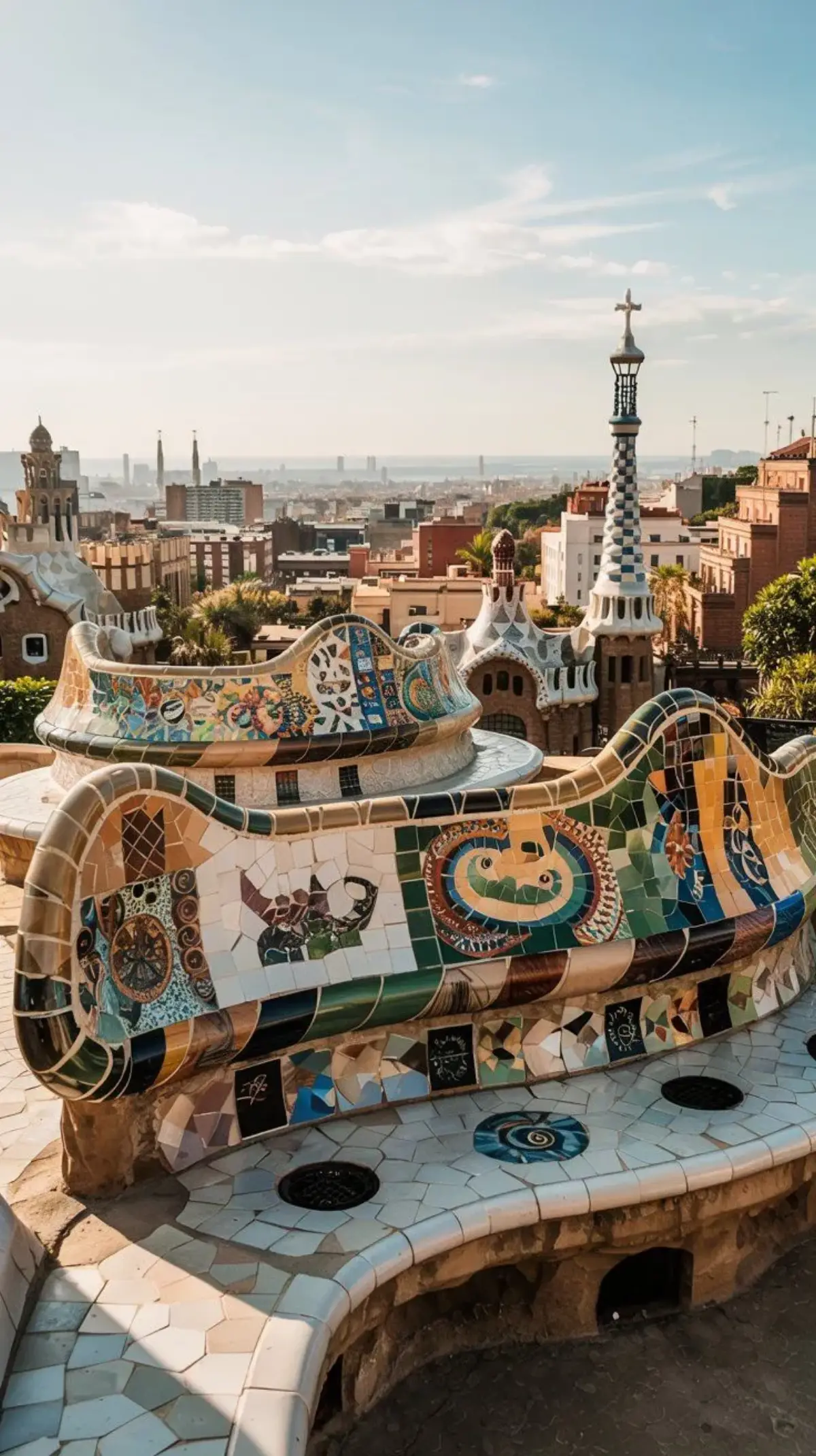
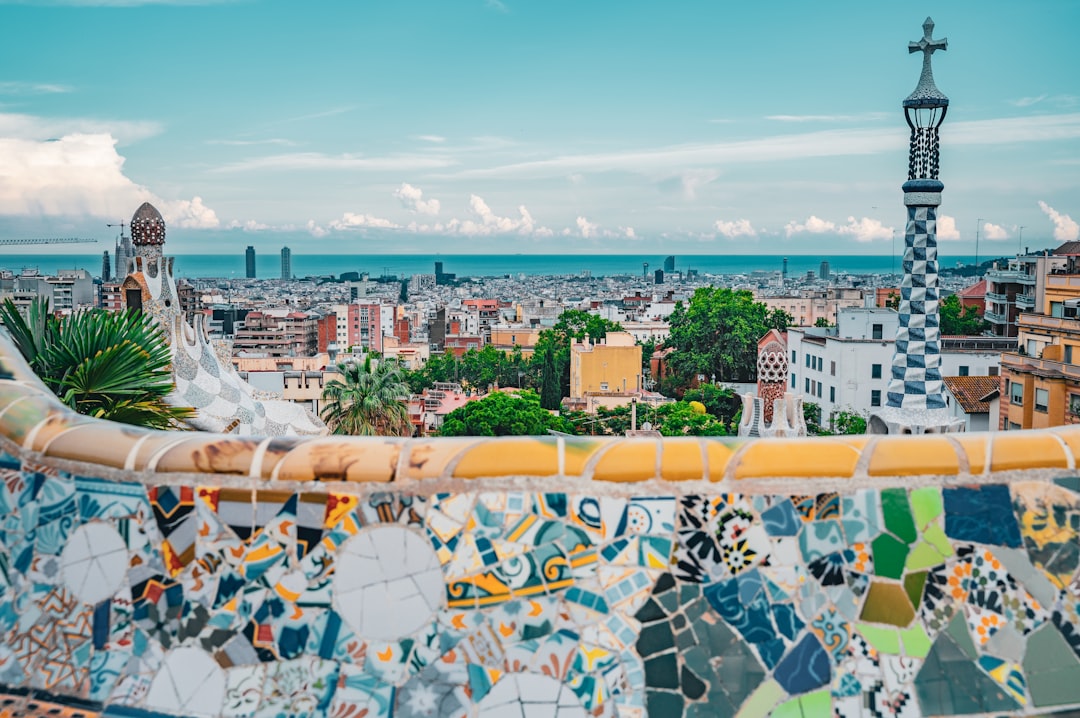
Park Güell deserves its own note because timed entry and group caps need planning there. The monumental zone is timed, and the park runs a programme for schools from Spain and other EU member states, with free access for visits that serve an educational purpose and a ceiling of 60 people per school per day. That ceiling is a planning constraint: a group above it is two schools on paper or two days on the ground, and either has to be decided at contracting.
The two calendar traps
Barcelona’s peak season is well understood. The two dates that catch educational operators are not the summer.
The Mobile World Congress takes over Fira Gran Via for several days at the end of February or the beginning of March; the organisers publish the dates, and the 2027 edition runs from 1 to 4 March. Around those dates, congress demand can crowd out group accommodation and raise rates across the metropolitan area, and transport around the fairground becomes busier. A school programme that lands in that week may not be operable at the budget it was sold at. It is one of the first dates worth checking on any Barcelona brief for the late-winter window.
The Catalan school calendar is the second. The city’s own schools use the same sites in term time, and on the days around the Catalan school holidays and the local bank holidays the most-visited sites can be busier with local classes. A foreign group planning around its own half-term is planning blind to this unless someone in Barcelona is looking at the local calendar for it.
Outside those two, the useful windows tend to be the ones most educational destinations share: mid-March to early June, and late September to November. Weather is workable, the institutions are open and staffed, and the cruise-season crowds that fill the old town at midday have not yet arrived or have thinned.
Coach, walking and the ring-road low emission zone
Barcelona is a walking city with a dense metro, so the coach should be doing the district transfers, the airport run and the day trips, not following a group through the old town, where it cannot go anyway. Two things about the vehicle need settling before departure rather than on arrival.
The city operates a low emission zone inside the ring roads that applies on working days from 7 am to 8 pm, and the municipal rules require a foreign-registered vehicle to be registered in advance to circulate. A coach coming in from abroad that has not been registered should not count on entering the zone on a weekday; once registered, a vehicle that meets the zone’s emissions requirements can circulate. And within the city, coach access to the Eixample and to the hill sites is a system of drop-off points and regulated waiting zones rather than parking: the day is designed around where the coach can stop, not where the group wants to be dropped.
Day trips lengthen driver hours quickly. Montserrat, Girona, Figueres and Tarragona are all within a comfortable day, but a programme that starts with an early hotel departure and ends with an evening transfer can reach the limits of EU Regulation 561/2006 on driving time, and the driver’s clock is not negotiable.
Where to base a group, by what it is studying
The base district follows the subject, because the walking is the programme and a group that starts the day where its first site is saves a transfer every morning.
- The Eixample — Architecture and design programmes. Everything in that strand is on foot; coach access is the constraint to specify in the brief.
- Sants and Poble-sec — History and art programmes centred on Montjuïc, with Sants station on the doorstep for the Tarragona and Girona day trips.
- Gràcia and the upper Eixample — Language immersion, where the group hears the city rather than the tourist centre, with Park Güell within walking distance.
- The seafront — Younger groups and mixed programmes, where there are hotels suited to school groups and the evening can be easier to supervise than in the old town.
The constraints worth checking first for school accommodation in Barcelona are: enough rooms of the same category in one property, staff rooms close to the students — ideally on the same floor — a coach drop that does not involve a walk with luggage through streets a coach cannot enter, and a property that takes school groups in that season, because a number of otherwise suitable ones do not.
Frequently asked questions
Can a group of 45 students visit Park Güell together?
Within the park’s free school programme, which admits up to 60 people per school per day, a group of 45 students plus accompanying staff fits under the ceiling. Entry to the monumental zone is timed, so the slot is confirmed at contracting. A group above 60 has to be split into sub-groups or spread over two days.
Which week should a Barcelona school programme avoid?
The Mobile World Congress week, at the end of February or the beginning of March (1–4 March in 2027). Congress demand can tighten accommodation and transport, and a school programme priced for an ordinary week may not hold up against the market.
How many subjects should a five-day Barcelona programme cover?
Two strands, chosen with the teacher, and three districts. A programme that samples every subject the city offers costs more to operate and is harder for the teacher to justify to a head of department than one that goes deep on two.
Does the low emission zone affect a foreign school coach?
Yes. Inside the ring roads, on working days from 7 am to 8 pm, a foreign-registered vehicle has to be registered in advance to circulate. It is worth confirming at contracting, together with the vehicle’s emissions standard for every city on the programme.
Is Barcelona a workable base for day trips?
Yes, and that is one of its advantages over most European educational cities: Montserrat, Girona, Figueres and Tarragona each carry a full day of curriculum within reach. The constraint is driver hours, not distance.
Building a Barcelona programme?
BRACAP is based in Barcelona and has operated ground product across Europe since 2007. The checks above — subject strands, district sequencing, the Park Güell ceiling, the congress week, the local school calendar, coach registration — are worth running on any Barcelona brief. Send us the group size, the dates and the subjects the teacher wants covered, and we can come back with a day structure that works at that scale and what is worth locking first. See how we operate educational groups, or send us the brief and request a proposal.
For agencies that want to offer city-specific programmes like this Barcelona brief under their own brand, a white-label DMC partnership lets BRACAP's Barcelona team work behind your brand.