















Èze village is not built for coaches — and that's the Riviera in one sentence
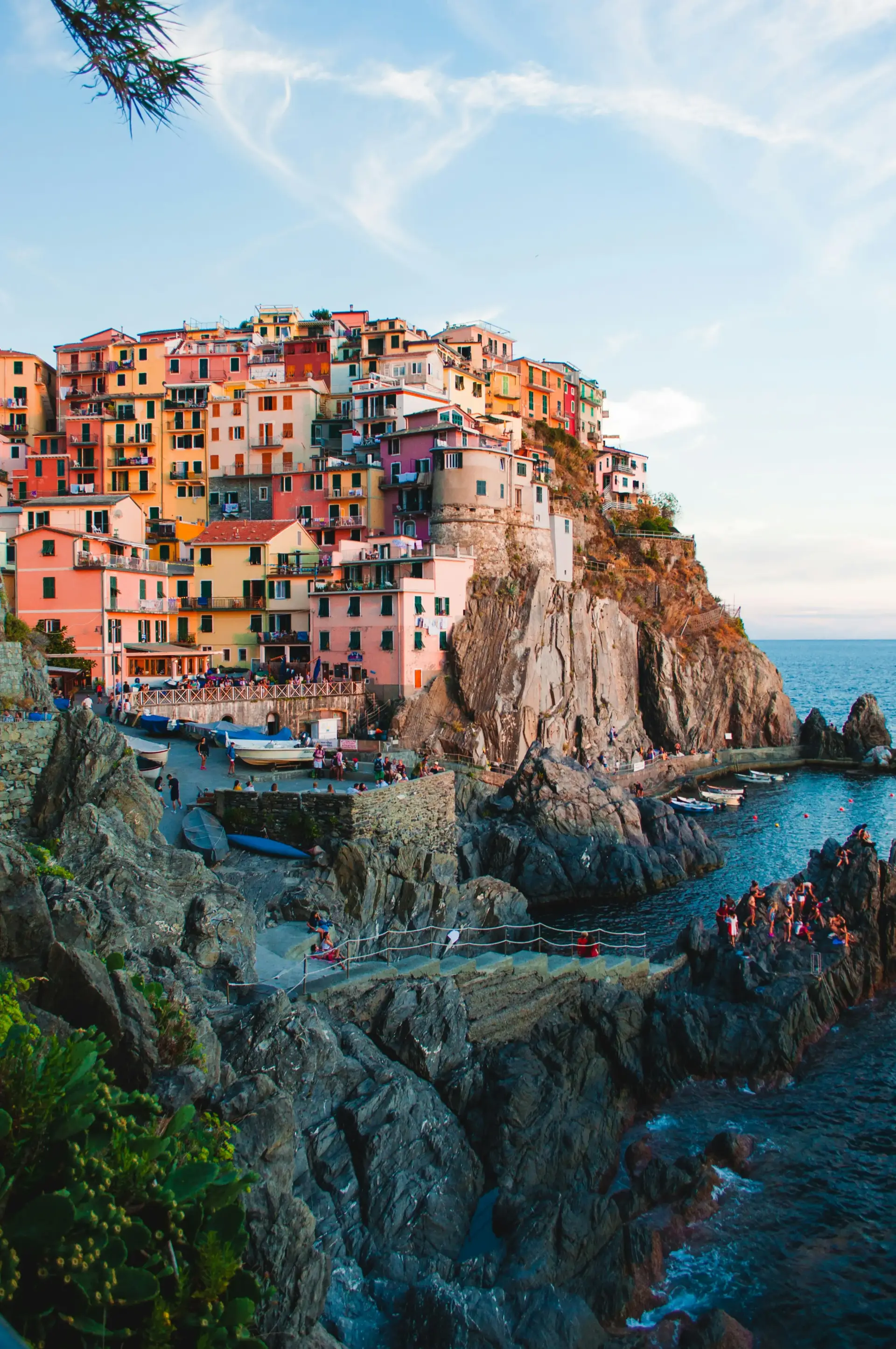
The French Riviera often sells a romantic narrative of medieval villages perched on hillsides, offering stunning sea views. For retail travellers in a hire car, this is an accessible dream. For a tour operator moving 40 or more passengers in a full-size coach, these postcard-perfect stops often become operational bottlenecks. Consider Èze: while its charm is undeniable, a 50-seater coach generally cannot reach the village itself. Coaches usually have to stop on the road below, which means groups face an uphill walk to the village, and there is little room for larger vehicles to pause on a busy cliff road.
This logistical reality extends to many of the region’s beloved 'perched villages'. At Saint-Paul-de-Vence, coach parking sits at a distance from the ramparts, which means either a shuttle service or a significant walk for the group. Villages with single-lane access roads and no turning space, Gourdon among them, are poorly suited to 12-metre coaches. The retail brochure shows groups enjoying a village square; the operational reality for an operator is often a quick drop-off on a cliff road, followed by a substantial walk. Understanding the difference between custom and operationally viable travel is critical before signing any itinerary.
What a 50-pax coach can and can't reach between Nice and Menton
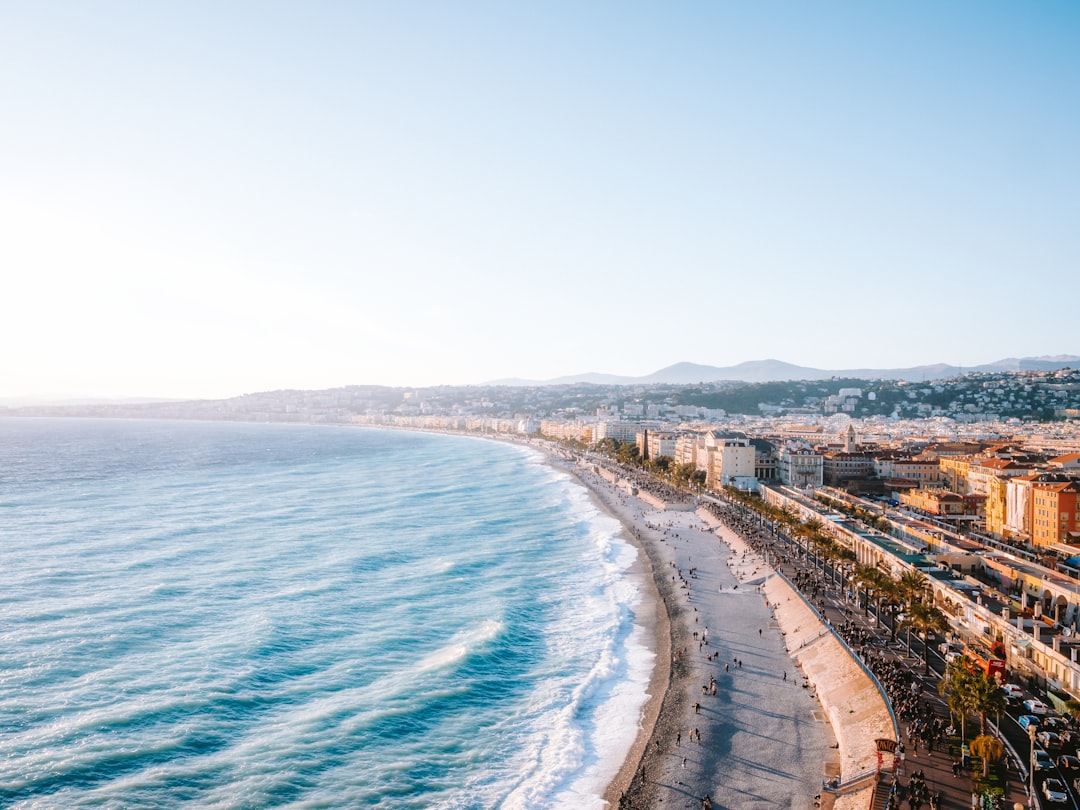
Navigating the Côte d'Azur with a large group requires precise knowledge of coach access points. While some key Riviera locations are better equipped for full-size coaches, others demand alternative planning. Nice, with its wide boulevards and large squares, is generally far easier for coaches than the hill villages, giving groups reasonably straightforward access to the Promenade des Anglais and Vieux Nice.
Monaco, however, operates with strict regulations: touring-coach parking is regulated through an online booking system, so it has to be planned in advance rather than improvised on the day. Villefranche-sur-Mer’s tight harbour road is manageable for coaches but often requires careful timing to avoid congestion. In Cannes, kerbside drop-offs on the seafront are typically brief, so the coach usually has to circulate and return. Antibes old town and the Cap d'Antibes present further challenges, often requiring a split itinerary where the coach cannot follow the group. For perfumery visits in Grasse, some houses offer dedicated coach bays and others do not, which impacts planning. Rules and drop-off points change, so each one should be confirmed with the local authority or venue when the programme is built. These nuances underscore the broader operational realities of scenic European coach routes.
Peak-season supplier capacity: summer tightens early
The allure of the French Riviera means it faces immense demand during peak season. Tour operators planning summer programmes should recognise that coaches, group-rate hotels and group-size restaurants all tend to tighten early, and that lead times vary by supplier and are agreed programme by programme. Compliant full-size coaches across the PACA region are in demand for July and August, and hotels in key hubs like Nice and Cannes manage their group blocks according to their own contract terms, so it pays to start those conversations early.
Restaurant capacity for large groups poses another significant challenge. In popular areas such as Vieux Nice and Antibes, the number of venues able to seat 40 or more for a lunch slot is limited, so group menus and pricing are best settled well ahead of the season. Monaco coach access, critical for any visit, runs through the Principality's coach regulation system, which handles coach parking bookings in advance or on the same day. Operators can find somewhat more flexibility in shoulder months like May and late September, though this relies heavily on existing supplier relationships and on what is already booked for the dates. For more on this, our team has shared The European Group Booking Calendar.
The 40+ pax routing rule: build around drop-points, not postcards
For large group programmes on the French Riviera, effective itinerary planning requires anchoring each day around coach-viable hubs. Instead of chasing every picturesque village on the map, focus on major centres like Nice, Cannes, or Monaco that can absorb a 50-seater coach, and then radiate outwards. Perched villages, which are often non-negotiable for client appeal, are best handled as half-day excursions using smaller vehicles for transfers from the main coach hub, an arrangement agreed programme by programme. Smaller vehicles carry less luggage as well as fewer people, so on arrival and departure days it is worth checking how to size the vehicle for passengers and luggage.
Driver hours, governed by Regulation (EC) No 561/2006, are another critical factor. The regulation sets a daily driving limit of nine hours, which can be extended to ten hours no more than twice a week. The winding Corniche routes, while scenic, consume driver time quickly, making it essential to factor these limits in when sequencing stops. Ultimately, the cost of splitting a 50-pax group across smaller vehicles for a single day to access a challenging location is often significantly less than the operational and reputational cost of missing an itinerary point due to coach access issues.
What a DMC plans on the ground vs. what a retail itinerary promises
The gap between a retail itinerary's promise and a DMC's operational reality is where destination expertise becomes valuable. While a consumer-facing brochure might highlight a visit to Èze, a DMC plans the drop-off around what the road permits, books Monaco coach parking through the Principality's system, and agrees group menus and pricing with restaurants before the season opens. This avoids last-minute scrambling for suitable dining options in peak season.
For those challenging perched-village days, smaller vehicles are planned alongside the main coach. BRACAP has operated across Europe since 2007, and the same planning logic applies here: a good DMC also builds in contingencies, such as alternative routing when a coastal road is closed for an event. This approach is central to how a DMC protects the operator's reputation when conditions on the ground change.
If you're scoping a 2027 Riviera programme for 40+ pax, send us the dates and group size via our contact page and we'll review the coach and Monaco parking constraints for your programme.