




The headline museums are the wrong anchor
Teachers ask for the Uffizi and the Vatican, so many Italy itineraries are built around them. Yet the sites that actually fix the shape of an arts and humanities programme are much smaller: the Scrovegni Chapel in Padua, the Brancacci Chapel in Florence, the Last Supper in Milan. All three work on timed, small-capacity visits, and none of them can absorb a group that turns up on the wrong day.
The large museums have their own group rules, and they matter. The Uffizi sets requirements for group visits and guides, and a large cohort may need to be split into several timed entries, which changes the morning more than the entry fee does. The Vatican Museums need timed, pre-booked group entry. But they take groups as part of their normal business. The small rooms are the scarce resource, so the booking order follows scarcity, not fame.
Book the small rooms first
- Scrovegni Chapel, Padua. Giotto's most complete cycle. Entry is by mandatory advance reservation, same-day booking is not possible, and visitors are asked to reach the ticket office well before their slot.
- Brancacci Chapel, Santa Maria del Carmine, Florence. Visits are timed and short; it is the room where Masaccio's figures first cast shadows on real wall space, and it makes everything that follows in Florence readable.
- The Last Supper, Milan. A timed, small-capacity visit that has to be secured as early as sales allow.
Each of these slots fixes a day in its city. Once they are confirmed, the rest of the programme is built around them, and each institution's own release calendar decides how early that can happen. The wider logic of what to lock first is set out in the European group booking calendar.
Context before collection, chronology before geography
The operational order and the teaching order turn out to be the same. Paintings make sense once students have stood in the buildings they were made for, so a Florence programme starts in Santa Maria Novella and Santa Croce, with the Giotto and Masaccio frescoes that teach the grammar of Renaissance perspective, then the Brancacci Chapel, and only on a later day the Uffizi, Botticelli and Leonardo. In Naples the logic runs the same way: the Archaeological Museum holds the frescoes and bronzes removed from Pompeii, and it reads better after the site than before it.
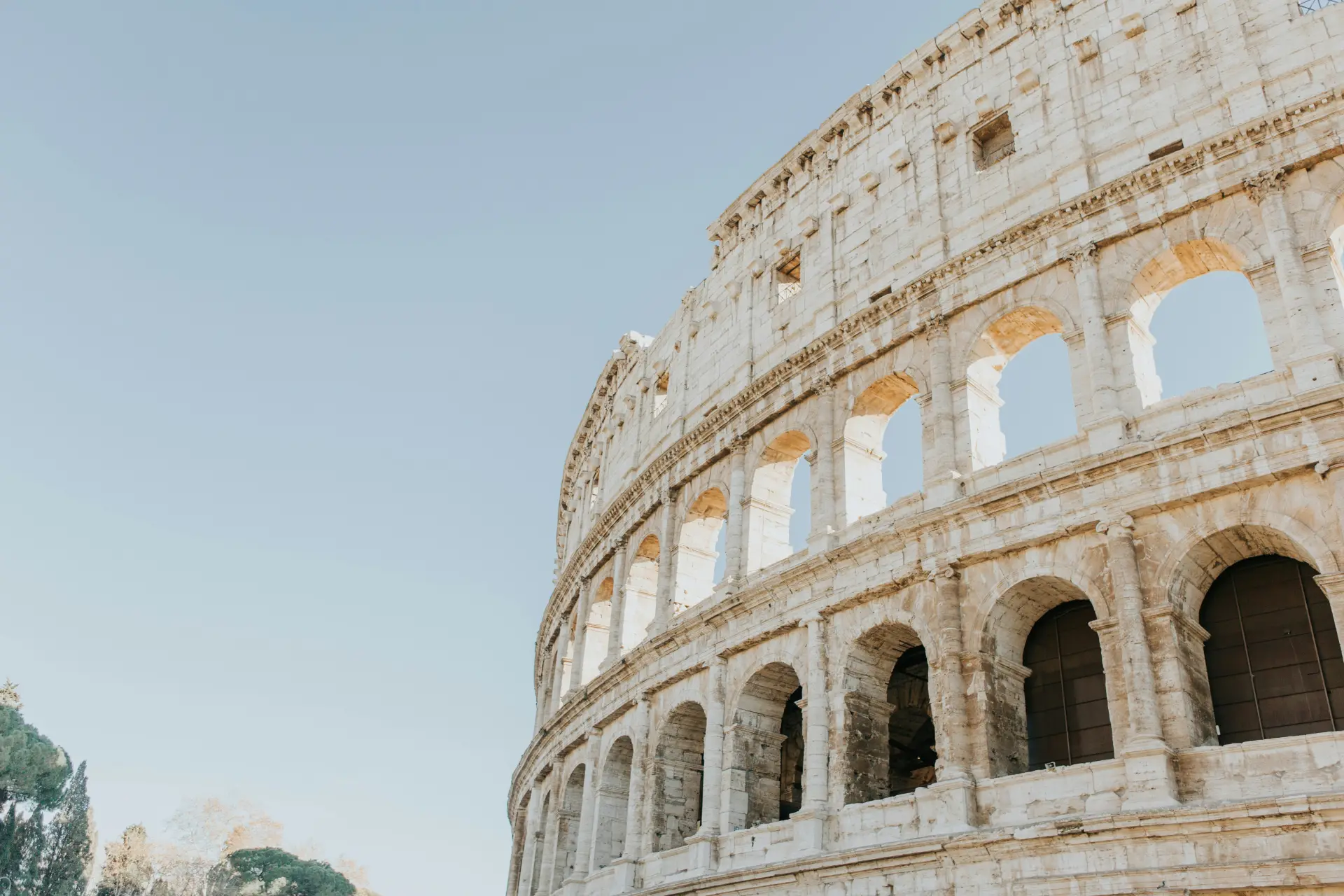
Rome works best read by period rather than by neighbourhood. The Roman Forum and the Palatine, covered by the same combined ticket as the Colosseum, carry the move from republic to empire, best walked early before the crowds. The Ara Pacis shows Augustan political messaging carved in marble. The Caravaggio canvases in San Luigi dei Francesi and Santa Maria del Popolo still hang in the chapels they were commissioned for; both churches are free to enter, but opening hours vary through the day and the chapel lighting can be on a timer or coin-operated, details a guide needs in hand. The Vatican slot then anchors its own day. A programme built this way depends on the guide as much as on the bookings, which is why sourcing the subject specialist matters, as discussed in why educational travel has gone narrow and expert-led.
The rail triangle most programmes leave out
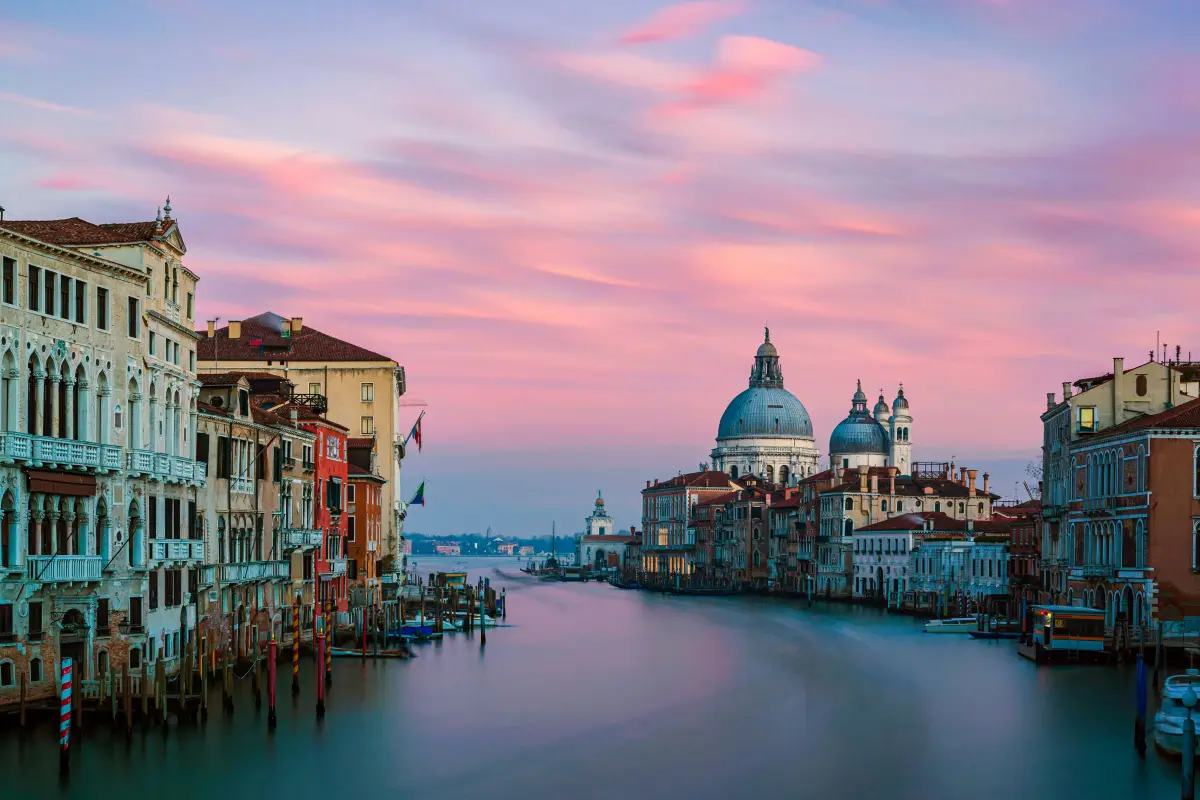
Some of the most useful teaching sites sit outside the name-brand cities. Venice and Padua pair easily by rail. Ravenna can be added by train too, but the connection usually involves a change, so for a larger group a coach or private transfer for that leg is worth costing alongside the rail option; group entries still need to be booked ahead. Ravenna's UNESCO-listed early Christian monuments, from San Vitale to the Mausoleum of Galla Placidia and Sant'Apollinare Nuovo, are the bridge between Rome and Byzantium, and a combined ticket covers several of the central sites. In Venice, the Accademia rewards an early arrival, when a group has room to look.
For classicists and literature students, the Naples–Pompeii axis grounds Latin texts in their physical setting. Herculaneum is smaller and better preserved, with organic material surviving under the volcanic deposits, and it is usually quieter than Pompeii. The Circumvesuviana serves the Pompeii area frequently but can be crowded, so rail versus coach for that leg is a decision to make on group size and timing. Programmes that extend into the wider classical world face a different set of access rules, covered in what a DMC delivers on Odyssey-themed tours.
The season is part of the teaching
Italy recorded 476.9 million nights in tourist accommodation in 2025, the second-highest total in the EU after Spain (Eurostat), and in the busiest months that pressure shows up as queues and crowded rooms at exactly the sites a humanities group needs to study. Late March to mid-May and late September to early November tend to work best, with mild weather and regular opening schedules, although Easter, school holidays and local events still need to be checked against each date. In August the heat makes sustained study and long site walks at Pompeii or the Forum difficult, and some sites run reduced hours.
If you are building an arts or humanities programme in Italy for a school or university, start with the list of works and sites the teacher considers essential. Send it to us with the group profile and dates, and we can sequence the timed sites and identify which slots need to be requested first. In Italy, that list is where the route begins.