











Inspirational 'follow Odysseus' itineraries are straightforward to sketch on paper, but turning them into a deliverable, high-quality group tour for paying guests presents a considerable operational challenge. The gap between a beautiful literary concept and a programme that can actually run for a large group requires a depth of operational machinery that separates a credible Odyssey programme from a mere Pinterest board.
Why Odyssey itineraries break in operations, not inspiration
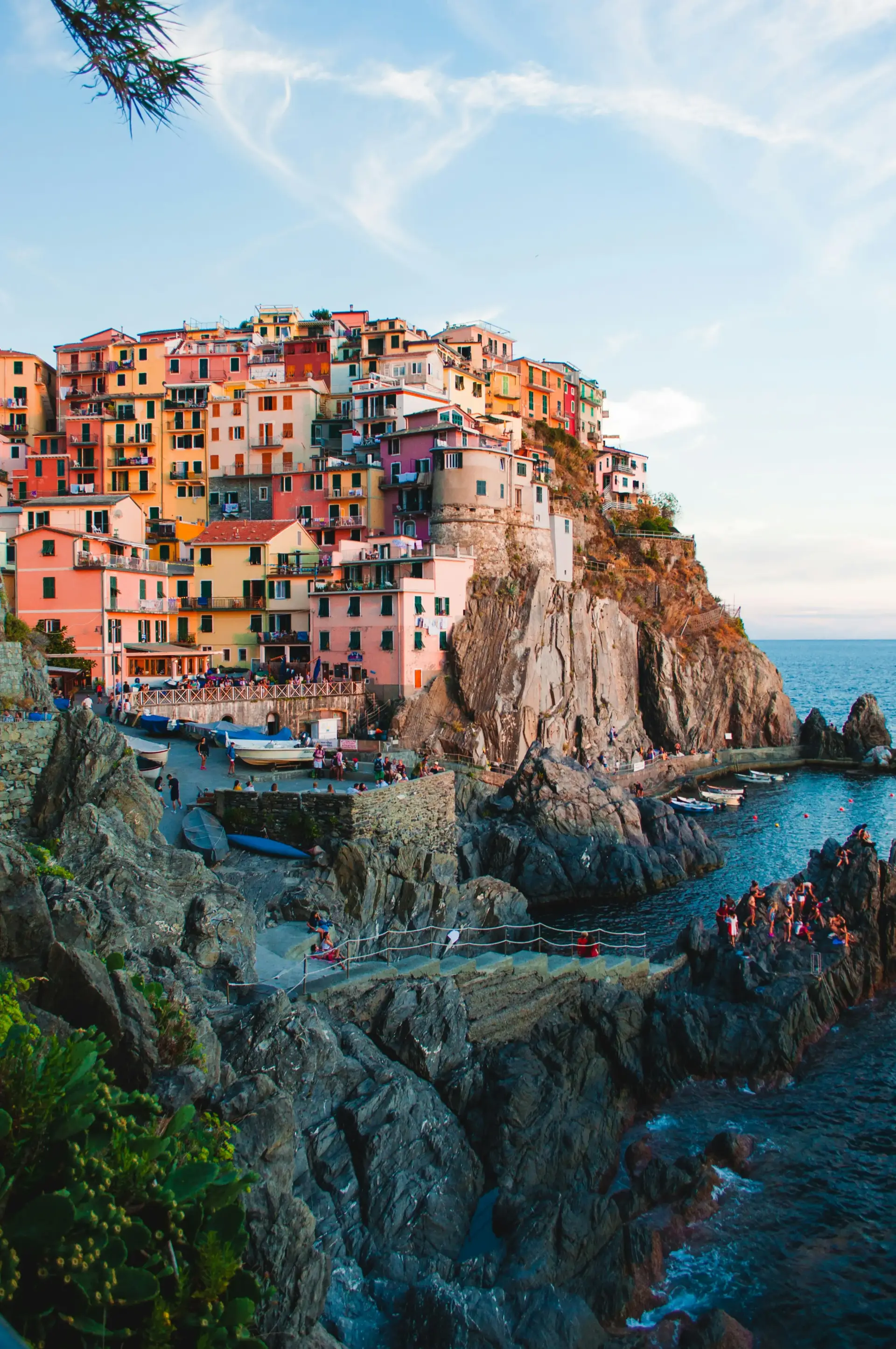
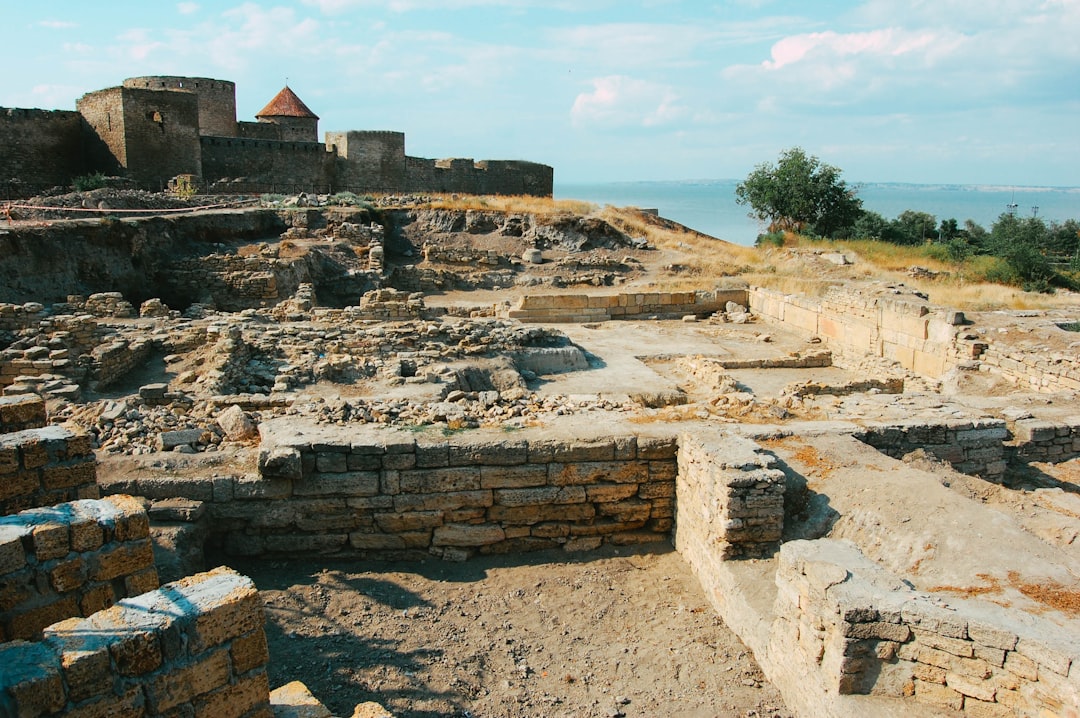
The allure of tracing Odysseus's journey through the Mediterranean is undeniable for adult cultural groups, university students, and school programmes. A typical itinerary aims to touch on the canonical stops: Troy in modern-day Turkey, Djerba (often cited as the land of the Lotus-Eaters) in Tunisia, Sicily for the Cyclops and Scylla, Italy's Gaeta and Capri for the Sirens, Corfu for the Phaeacians, and of course, Ithaca itself.
This route inherently introduces cross-border complexity. Groups will navigate several countries, multiple currencies, and a series of ferry-dependent transfers. For larger groups, these logistical layers compound rapidly. Retail itineraries, often designed for smaller numbers or independent travellers, frequently fail to scale to a full coach load. This becomes evident with challenges such as securing appropriate coach access at sites like Mycenae, managing limited quay capacity at small island harbours such as Ithaca's, or ensuring efficient restaurant turn times in small Sicilian hill towns.
Site access: what 'open to the public' doesn't mean for groups
Simply being 'open to the public' does not translate to straightforward access for large groups, especially at niche archaeological sites central to an Odyssey tour. Permit requirements, quota systems, and the need for an operator of record can all come into play.
- In Turkey, tour guiding is regulated by law, and archaeological sites such as Ephesus and Troy can have their own rules for guides and group visits. Confirm the requirements for your group with the operator before committing to a date.
- In Greece, the Ephorate of Antiquities governs access. Early-access or after-hours visits to key locations such as Mycenae, Pylos (Nestor's Palace), and the Ithaca archaeological museum can require specific permits.
- In Italy, state-run archaeological sites operate under Ministry of Culture rules, and some, such as Cumae and the Sibyl's cave, work with their own reservation arrangements and limits on group size, which call for careful advance planning.
Lead times matter here: standard group entry can often be arranged within the season, but privileged access, specialised permits, or any filming need to be requested well before it. Turning up without the correct paperwork can result in refused entry, so permissions are worth confirming in writing before departure.
Vetting the right specialist guide — not just any licensed one
For a literary-themed tour focused on Homer's Odyssey, the guide profile required is far more specialised than for a standard cultural tour. While a state-licensed guide is a legal necessity in many regions, the ability to engage a UK sixth-form group on the nuances of Homeric epic in clear English is a different skill set entirely.
When choosing such specialists, an operator should ask for a classics or archaeology background, a demonstrable command of the group's language, prior literary-tour references, and safeguarding awareness for under-18s. Specialist guides are best vetted before the season rather than booked ad hoc, with a backup identified in case a guide falls ill mid-tour.
Ferries, coaches and the Ionian crossing problem
Moving a group between the Greek mainland, the Ionian islands, and Italy on a fixed academic or commercial calendar represents one of the hardest operational pieces for an Odyssey itinerary.
- Overnight ferries such as Patras-Bari and Patras-Ancona are vital for inter-country transfers. Group cabin allocations on these popular routes tend to run short in peak season, so they should be requested early.
- For island-hopping, ferry windows to Ithaca, for example from Kefalonia or the mainland, can be limited in number, and weather-related cancellations can be a factor, particularly in shoulder seasons. Check current timetables when building the programme.
The coach standards to specify include emissions class, seatbelts on every seat, a driver plan within driving-hour limits, and tracking for school groups where the client requires it. Securing the May-July 2027 window for both ferries and coaches calls for early booking, reflecting the same booking pressure we covered in our piece on Europe's spring-summer booking window. How the cost of ferry-cancellation reroutes and other unexpected logistical challenges is handled is agreed in the proposal, rather than left to an invoice after the fact.
Safeguarding and compliance for school and university groups
When minors or institutional clients are involved, safeguarding and compliance are not merely best practice; they are a baseline expectation. This is a key differentiator between B2B DMCs and B2C operators.
- For UK and Irish school groups, background-check requirements for guides and drivers are agreed with the client before departure.
- Risk assessments can be aligned to the UK's OEAP National Guidance and the EU Package Travel Directive 2015/2302, as the client requires.
- Hotel choice for under-18 groups should take into account floor allocation, reception cover and separation from other guests.
- Emergency protocols, such as out-of-hours contact and hospital routing for each overnight stop, are agreed with each client before departure.
Insurance documentation is shared with the tour operator as agreed in the contract, so all parties have what they need.
Planning windows, pricing transparency and how operators should brief a DMC
Effective collaboration begins with clear communication and realistic timelines. For Odyssey itineraries, the earlier the enquiry the better, well ahead of a May-September departure and somewhat later for shoulder-season travel. This allows time to secure permits, specialist guides, and critical transport.
A useful Request for Proposal (RFP) should contain the estimated passenger range, age profile (crucial for safeguarding and guide selection), any specific academic curriculum links if for a school group, a per-passenger budget, and the must-include literary stops. Land cost depends on route, season, group size and hotel category, and is quoted per programme. Institutional buyers need budgetary certainty, so what the quote includes and excludes has to be explicit.
BRACAP has operated ground product across Europe since 2007, and that experience should show in the line items of a proposal, not just in the brochure copy. For regional context on one of the key countries on this route, see our Italy destination page. The aim is to translate the complexity of these routes into programmes that can actually be delivered.
If you are developing an Odyssey itinerary, send your brief through our contact page, including the pax count and age profile in the first email, and we'll review it with you. You can also see our regional coverage on the destinations page.