

What the premium parents accept actually buys
Parents often invest more in trips framed as 'educational'. For an agency or operator, the useful question is what that extra spend covers. Typically it is structured guided time, carefully selected accommodation and pre-booked museum entries, all designed to reduce logistical friction and maximise exposure to culture and history.
Parents tend to describe the wish for deeper immersion over a superficial tour as the core reason for choosing an educational trip. An honest accounting, however, suggests that much of the premium covers risk reduction and operational convenience rather than a fundamentally different pedagogical approach. That matters commercially: a programme sold on learning outcomes it was not designed to deliver is the one that disappoints the family and damages the repeat booking, so the product should be described as what it is. For the institutional buyer's side of the same question, see what educational travel buyers now expect.
What parents say they want vs. what gets booked
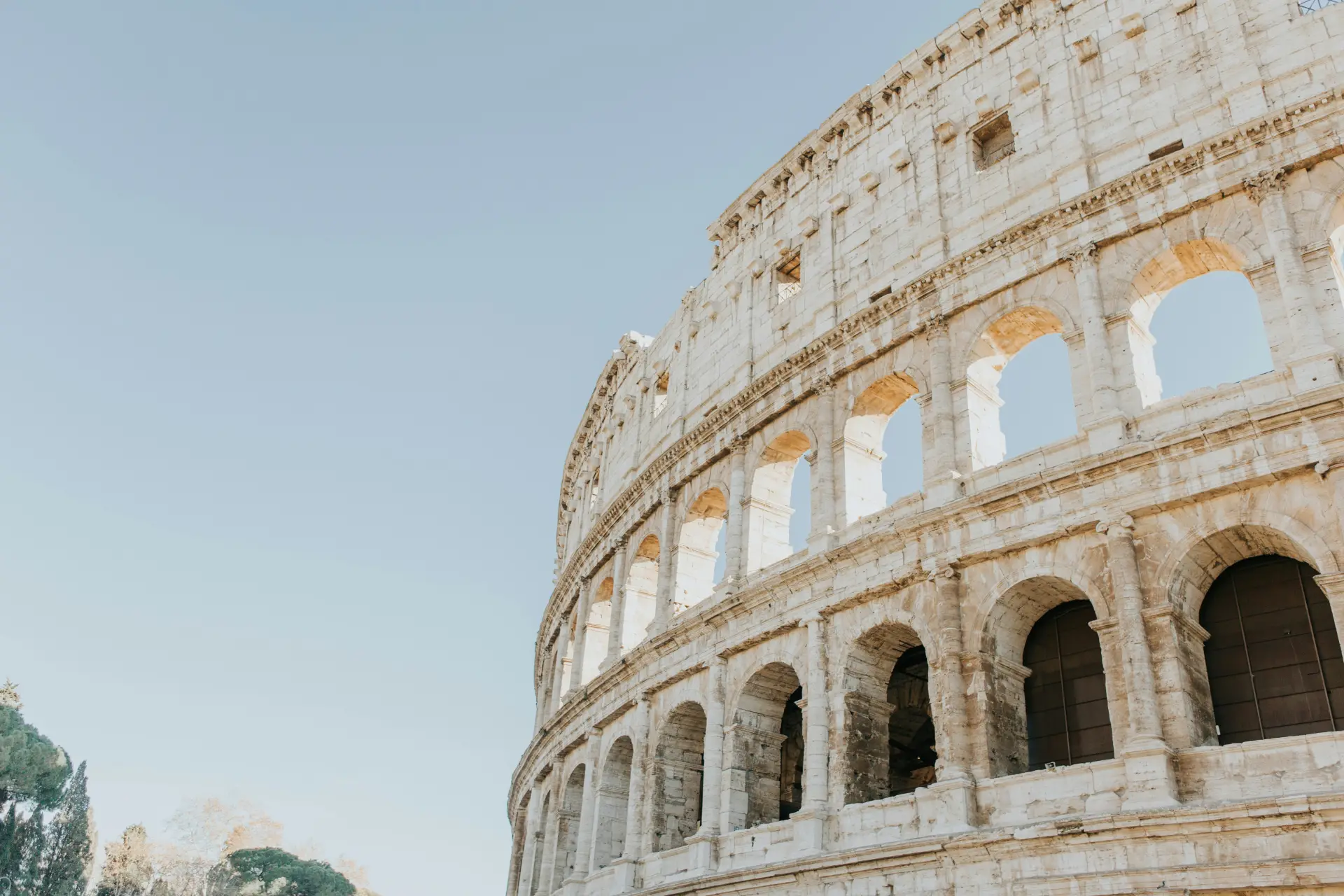
There is a visible gap between the goals parents articulate and the itineraries that are actually booked. Stated aspirations frequently include language exposure, a deeper understanding of history, cultural empathy and independence for the child, which reflect a wish to support a child's cognitive, social and emotional development. Yet many itineraries on the market run at a whirlwind pace, such as Paris, Rome and Florence in nine days, with several museum visits a day.
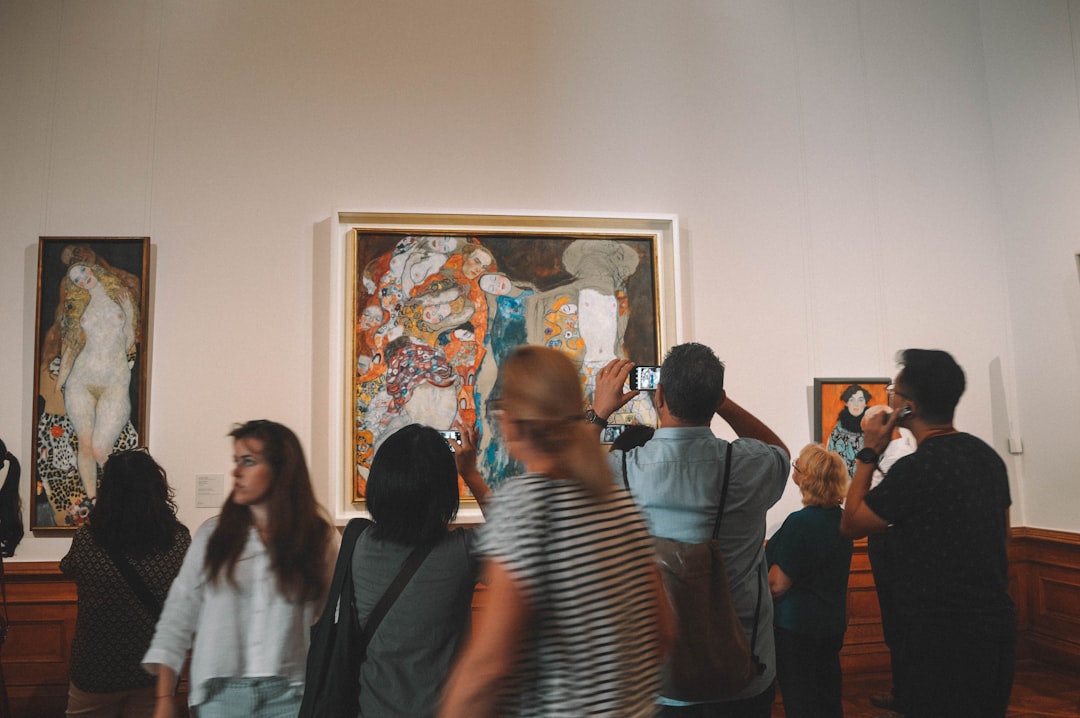
That pacing is a design trap: it is hard for a young teenager to absorb the Uffizi Gallery in a rushed slot, and the volume of information and speed of travel can lead to disengagement rather than stimulation. The gap is an opportunity for the operator who designs the programme, because the fix sits in itinerary design, not in adding content. A useful first test on any brief is the one in whether the itinerary is actually operable, which also catches pacing that looks fine on paper.
Where the learning actually happens
The most enduring educational moments often arise from unstructured time rather than the meticulously planned parts. Ordering coffee and pastries in broken Italian at a Bologna trattoria costs very little and gives a young traveller practical language use and problem-solving in real time; a paid guided food tour, while informative, often lacks the same spontaneous engagement. Navigating the Berlin U-Bahn with a paper map for an afternoon lets teenagers practise orientation and observe local life, and half a day in a smaller city such as Ghent, Porto or Bergen often yields more than a hurried visit to a third major capital.
This is editorial judgment, not measured data, but it points to a design principle for programmes sold to families: protect unstructured time on purpose, and brief the guide and the group leader to leave it alone. Smaller European cities are a natural fit for that approach.
Destinations that reward curious kids
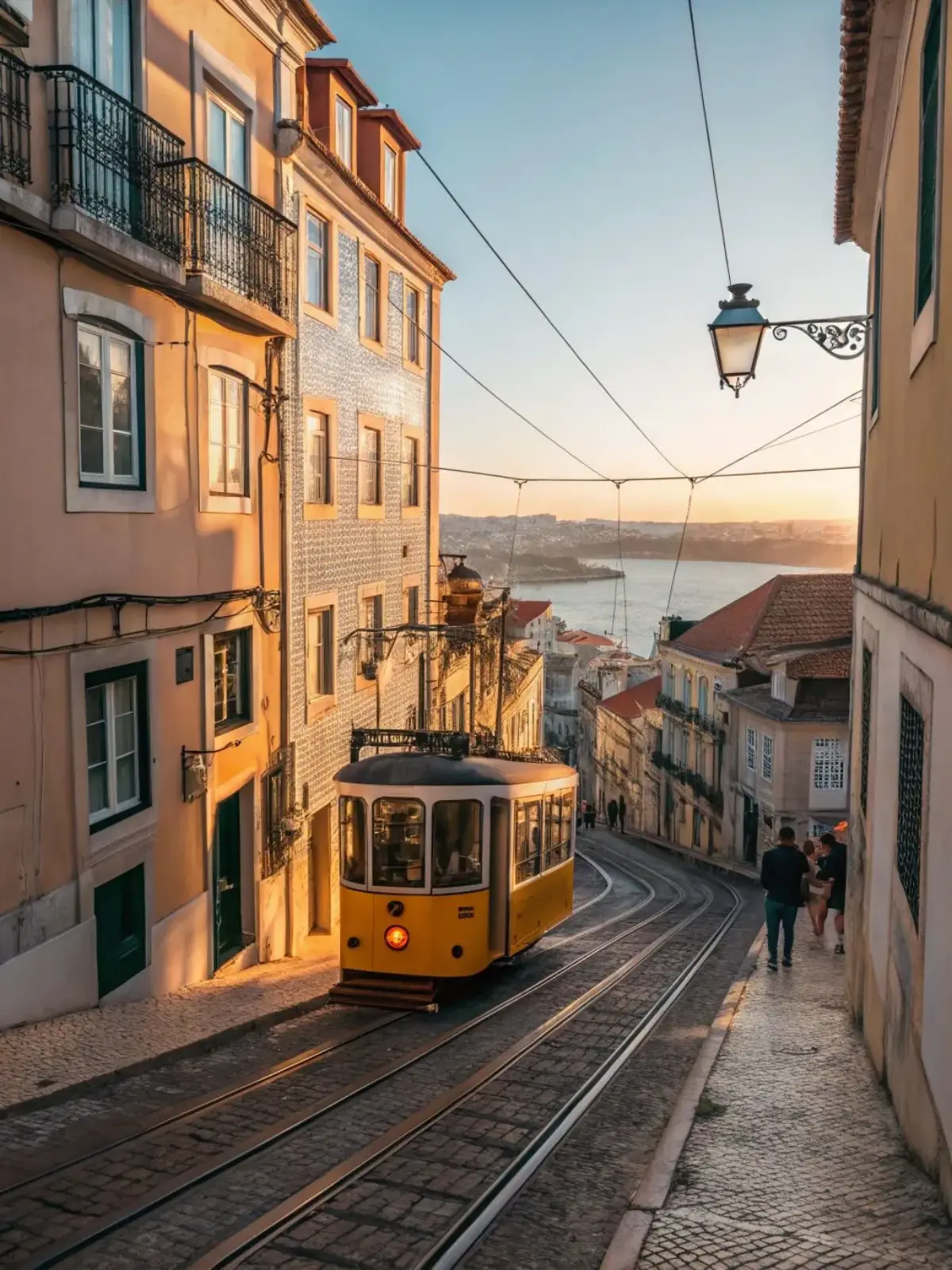
Some destinations carry educational depth without an exhausting museum march. Norway's Bergen Line offers a geography lesson a classroom struggles to replicate. Sweden by train, connecting Stockholm, Gothenburg and Malmö over about a week, is an efficient way to understand Scandinavian culture and landscapes without a car. Sicily in May presents a layered Greek, Roman and Norman history and tends to be easier on the budget and the crowds than August. For first-time teenage travellers, Lisbon and Porto can work better than Madrid, with an accessible urban experience, distinct cultural flavour and manageable scale.
Rail-based programmes carry logistics of their own. The operator's view of a rail-based group circuit across Norway and of a car-free group circuit in southern Sweden shows what changes once the traveller is a group rather than an individual.
The booking reality for family and parent-funded programmes
Family and educational trips compete for the same resources as school groups, so they need real lead time. Family-friendly hotels, particularly those with quad or connecting rooms, tend to be committed well ahead for peak May and June travel, and family rooms are often among the first inventory to tighten in popular cities such as Florence, Amsterdam and Edinburgh. For Easter and half-term breaks, delaying tends to mean paying more for limited availability.
Scenic routes such as the Bernina Express and the Glacier Express typically involve seat reservations, and summer capacity can sell out; rules differ by operator, so check them early and quote accordingly. Which components fill first varies by component and destination, as set out in the European group booking calendar, and the same logic is worked through for the wider season in choosing which European anchor to build a season around.
Designing an itinerary that is more likely to stick
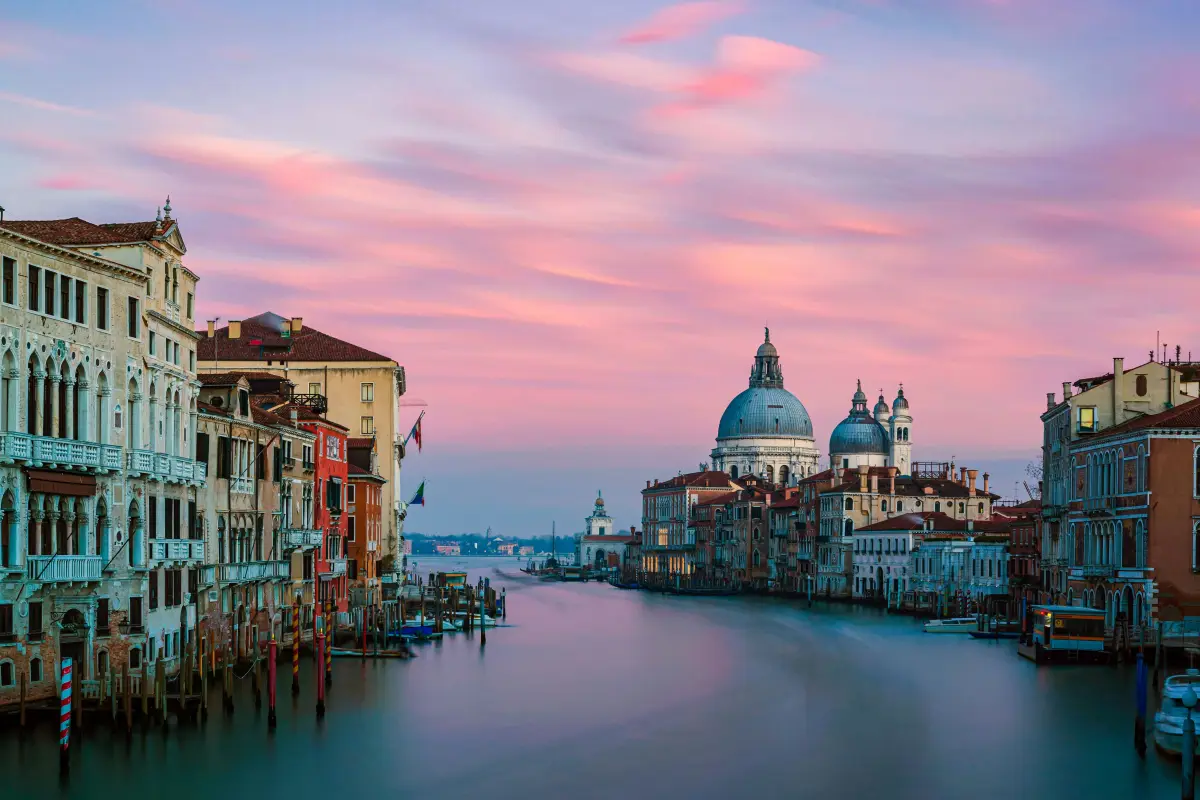
As a working heuristic rather than a standard, a '60/40' split is a useful starting point for a family educational itinerary: roughly 60% structured activity (transit, key sites, perhaps one guided tour) and 40% unstructured exploration. Two anchor cities, such as Rome combined with a Tuscan hill town, usually serve a family better than Rome, Florence and Venice in one rushed itinerary.
Give teenagers one navigation task per day, such as finding a specific café or buying train tickets, which builds independence and practical skills. A small daily budget per child to manage for spontaneous costs encourages personal choices within boundaries. And before the itinerary is finalised, draft it and then delete the third city: that is where the most profound learning often lives, and it is the edit that most reliably improves a programme sold to parents.
Selling or building a family educational programme?
BRACAP has operated ground product across Europe since 2007. If you sell family or parent-funded educational travel and are shaping an itinerary, send us the group profile, dates and the destinations you are considering, and we can review with you the pacing, the unstructured time and which bookings to start first. Send us the brief.