



















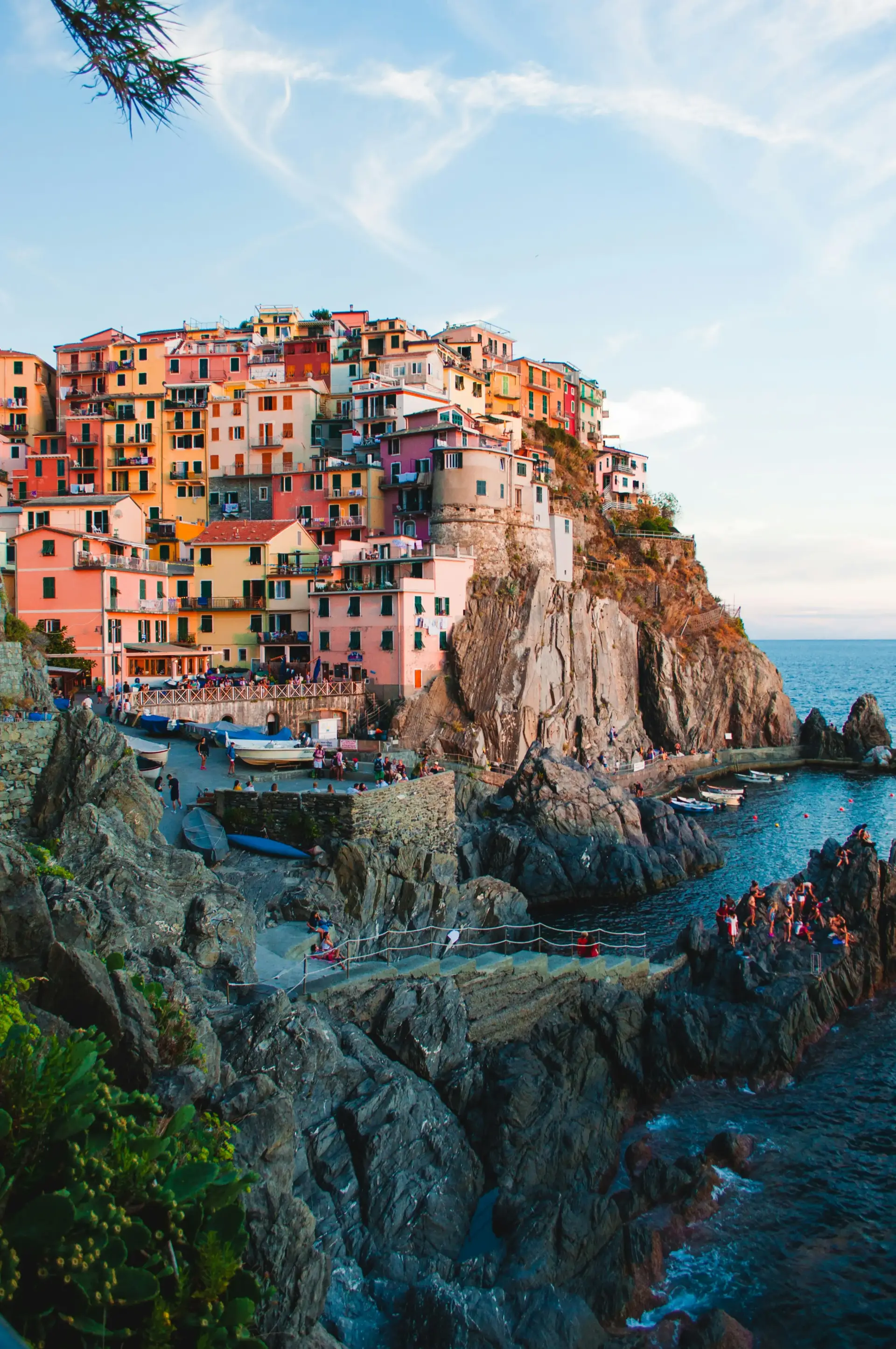
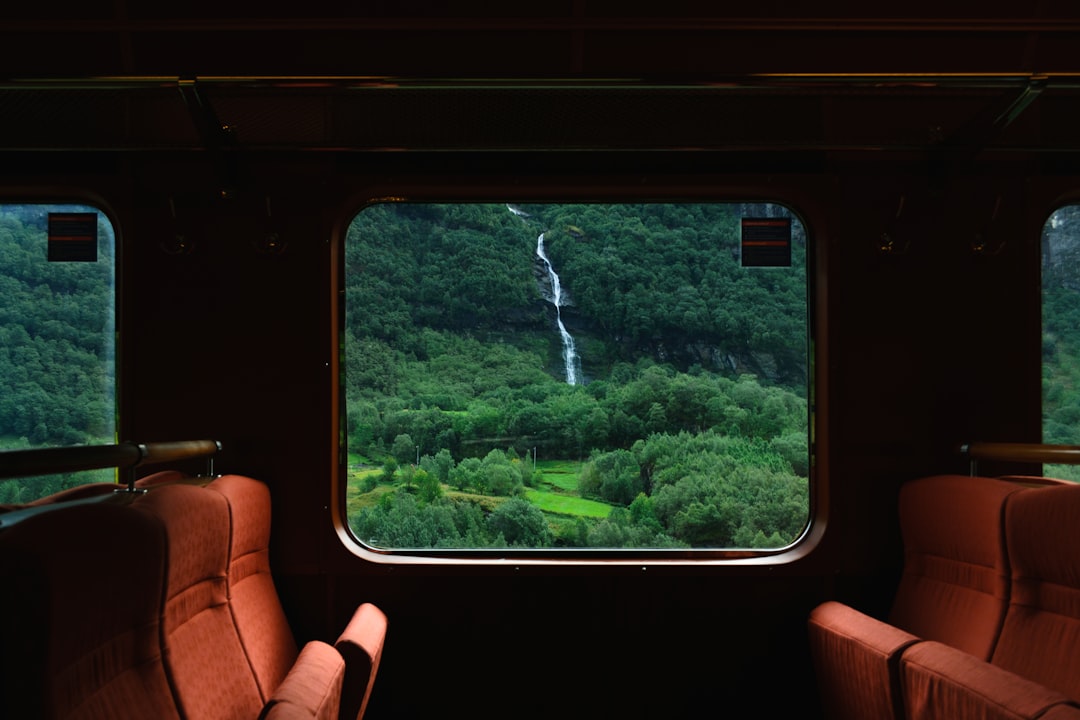
Norway's fjords and its extensive rail network make for one of Europe's most photogenic overland routes, and it's easy to see why independent travellers build entire trips around a handful of scenic lines. For a group operator, though, the appeal and the constraint sit in the same place: several of Norway's headline routes run on short, steep branch lines with limited tourist-carriage capacity, and a circuit that isn't planned around that capacity gets squeezed by it.
Group seats aren't Minipris seats
Vy (formerly NSB) and SJ Nord sell discounted Minipris fares, and an individual traveller who books at the right moment can find a very good price on a single seat. Those fares are sold in limited numbers and under their own conditions, which makes them a poor fit for a group booking: a group generally needs a block reservation confirmed directly with the operator, not a set of individually booked Minipris seats.
On branch lines with small rolling stock — the Flåm Railway in particular, where panoramic carriages have limited capacity and cruise-ship groups compete for the same seats in peak season — that block is worth requesting well ahead of the date, not assumed from the timetable running "every hour."
Where a coach still does the connecting
Norway's rail network is not one continuous line: the Ofoten Line around Narvik is physically isolated from the rest of the network and only connects onward via Sweden's Malmbanan, and several of the scenic routes (Flåm, Rauma) are short branch lines that require a change onto the mainline network at Myrdal or Dombås. A rail-first Norwegian circuit still needs coach transfers at these junctions, for last-mile movement to fjord ferry piers (the Nærøyfjord crossing from Flåm to Gudvangen, for instance), and wherever road access reaches a viewpoint or hotel the railway doesn't. Sequencing those handoffs is where an itinerary either holds together or loses an afternoon to a missed connection.
What each route actually offers a group, capacity included
The Bergen Line's Hardangervidda crossing and the Nordland Line's Arctic Circle monument at Saltfjellet are the two moments every itinerary is built around, and both run on full-size mainline rolling stock, which is better suited to group bookings, provided it is requested early. The Flåm Railway and the Rauma Line are the opposite case: short, steep branch lines with limited seasonal tourist-carriage capacity, best treated as a single fixed excursion within a longer circuit rather than a flexible add-on. The Dovre Line's sleeper service between Oslo and Trondheim has a finite number of berths per train, which needs confirming as part of the group booking rather than assumed available on the same terms as day seats.
The distances themselves are rarely the problem. The problem is booking a circuit around routes that were never designed to seat a group of thirty on the date the itinerary needs them.
Timing that affects contracting, not just scenery
Late June is one of the strongest windows quality-wise — snow can still be visible on the Hardangervidda, and the midnight sun reaches Bodø on the Nordland Line — but it's also when Flåm's cruise-ship traffic and general Norwegian summer demand tend to peak together, which can tighten both rail capacity and hotel availability along the route. May and September can offer a more workable middle ground: still good light, and typically less competition for branch-line seats.
Frequently asked questions
Can a group of 25–30 travel this entire circuit by rail?
The mainline legs — Bergen Line, Dovre Line, Nordland Line — generally can, provided seats are requested as a group block well ahead of the date. The Flåm and Rauma branch lines have seasonal capacity limits that need checking against the group size before the itinerary is fixed, not after.
Does the capacity squeeze apply outside the June–August window?
Often less so. Shoulder-season travel (May, September) tends to see lighter demand on the branch lines and often easier hotel and coach availability along the route, though the mainline sleeper services still need advance confirmation year-round.
What's the most common planning mistake on this route?
Treating the timetable's frequency as a proxy for group availability. A line running several trains a day says nothing about whether thirty seats are confirmable together on a specific branch-line service.
Why use rail at all instead of a coach-only circuit?
Several of Norway's most scenic corridors — the Hardangervidda plateau on the Bergen Line, the Romsdalen valley on the Rauma Line — are best experienced from the train, which gives an unobstructed view of the landscape and is less exposed to seasonal road conditions; a coach-only circuit can cover the same ground, but it offers a different experience on these specific legs.
How does this compare to a Swedish rail circuit?
Sweden's rail-based circuits run mostly on a single well-connected intercity network; Norway's scenic lines are more fragmented, with isolated or branch-line sections that need coach connections built in. Our piece on running a car-free group circuit in Sweden covers the more straightforward case.
Planning a group circuit in Norway?
BRACAP has contracted ground product across Europe since 2007. Send us your group size and dates, and we can review what looks confirmable as a group block on the rail legs and where a coach needs to fill the gaps. See the destinations we operate in Norway, or send us your programme and request a proposal.