









The shift group programme directors are planning around
After a decade of screens-first learning, educational travel in Europe appears to be swinging the other way. Virtual museum access expanded and preparatory podcasts and video content proliferated, but that saturation seems to be pushing learners toward deeper engagement with the physical site itself. In recent years, many operators report demand for tactile, single-topic programmes: the goal is moving from "seeing everything" to "understanding one thing" thoroughly. This is a trend reading drawn from operator experience rather than from a single official dataset.
For group operators, this is not a marketing shift — it's a programme design shift. The itineraries in demand tend to be shorter, built around a single theme, and led by credentialed specialists rather than a generalist guide. Groups are often smaller than the larger cohorts that were once standard, which changes vehicle sizing, site-access negotiations, and per-participant guide costs all at once.
What's actually bookable: five themes worth building a programme around
Five destination-theme pairings illustrate this shift, and each has a distinct operational profile:
Literature — Dublin and the west of Ireland, built around Joyce, Yeats and the literary tradition. Winter and early-spring departures tend to run quieter and often cheaper, which suits focused, small-group visits.
Music History — Vienna, Leipzig and Salzburg. A late-summer departure can be built around Salzburg Festival fringe events, widening access to performances and scholarly sessions beyond what a standard itinerary offers.
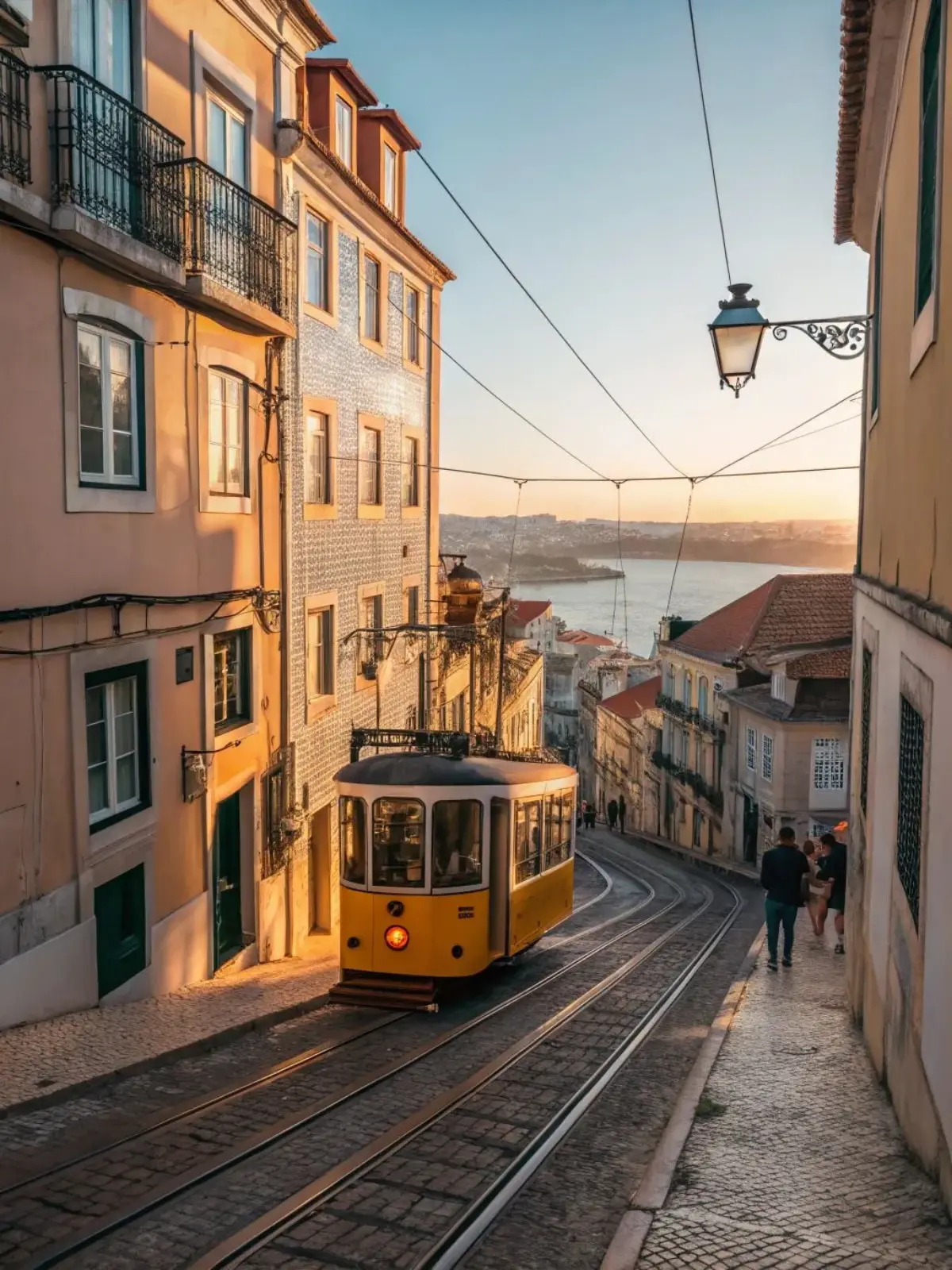
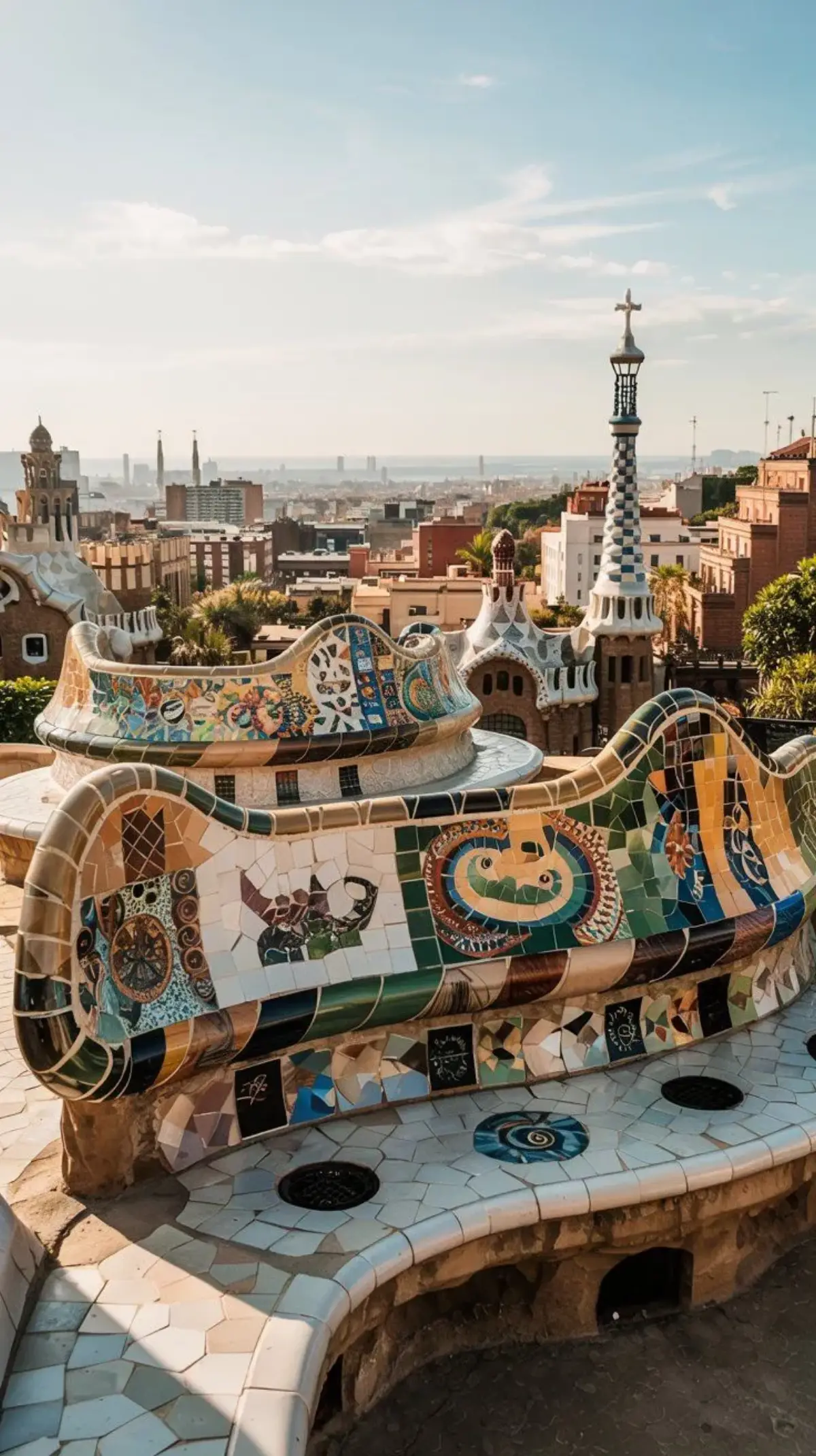
Architecture — Porto and Lisbon for Álvaro Siza Vieira and Eduardo Souto de Moura; Barcelona remains the reference point for Modernisme-focused groups.
Food Science — Modena, San Sebastián and Copenhagen for culinary innovation and regional gastronomy. Restaurant workshops and specialist tours should be booked with margin, as demand for them is strong.
Natural History — the Norwegian fjords, the Azores and the Scottish Highlands for guided geology and birding weeks, often carrying the highest per-day cost of the five given the need for specialist guides.
Sourcing the specialist is the actual bottleneck
The credentialed-guide layer is what makes or breaks these programmes, and it's the piece worth building supplier relationships around early. A genuine subject specialist usually costs more than a generalist guide, so that premium belongs in the budget from the start. Ask for a CV, not just a company pitch deck, before confirming. Itineraries that hold to a realistic number of sites per day, with real evidence of unique access — after-hours or back-of-house arrangements, where they can be arranged, at sites like the Vatican, the Uffizi, or the Alhambra — are what separates a programme that reads as "expert-led" from one that just has a knowledgeable guide along for the ride. Operators who name their suppliers and guides in writing are the ones worth building a repeat relationship with.
Where digital still earns its place
The pendulum has swung away from digital-first, but digital tools still support the in-person programme well: pre-trip reading lists and video primers prepare participants before arrival; AR overlays at some Roman sites add value where the quality is genuinely good; live-translation earpieces keep specialist lectures accessible; and digital archive access (the British Library, the Bibliothèque nationale de France) extends the material before and after the trip. Post-trip alumni platforms can also be part of the package, not just an optional extra.
Planning windows and cost drivers
Contracting windows vary by supplier, destination and season, and are agreed programme by programme; the specialist guide, the hotel category and the site-access arrangements are the pieces to secure first. Cost per person depends on route, season, group size and hotel category, and smaller groups spread fixed costs such as the specialist guide across fewer participants, so single supplements and guide fees weigh more heavily. Rail-based itineraries can reduce cost compared with coach-and-hotel-heavy equivalents and are worth quoting as an alternative where the destination allows it.
One opportunity worth considering is a single-theme departure in the shoulder season, such as late September: pricing tends to be softer, academics are often back from summer and available, and small-group inventory is usually easier to secure. Operators who can contract that window early have a genuine edge over ones still quoting broad multi-city itineraries.
If you are building a single-theme departure, send us the theme, the age group and the travel window through our contact page, and we can review which specialist and which site slots the programme depends on.